Many waterfront property owners think about docks and seawalls as separate projects, but in reality they often work best together. A dock gives you access to the water, while a seawall protects the land that supports your property. When designed properly, these two structures complement each other and create a safer, more stable shoreline. At Hansen Marine Construction, we frequently build projects where docks and seawalls are planned together to maximize durability and functionality.
What a Dock Does for Your Property
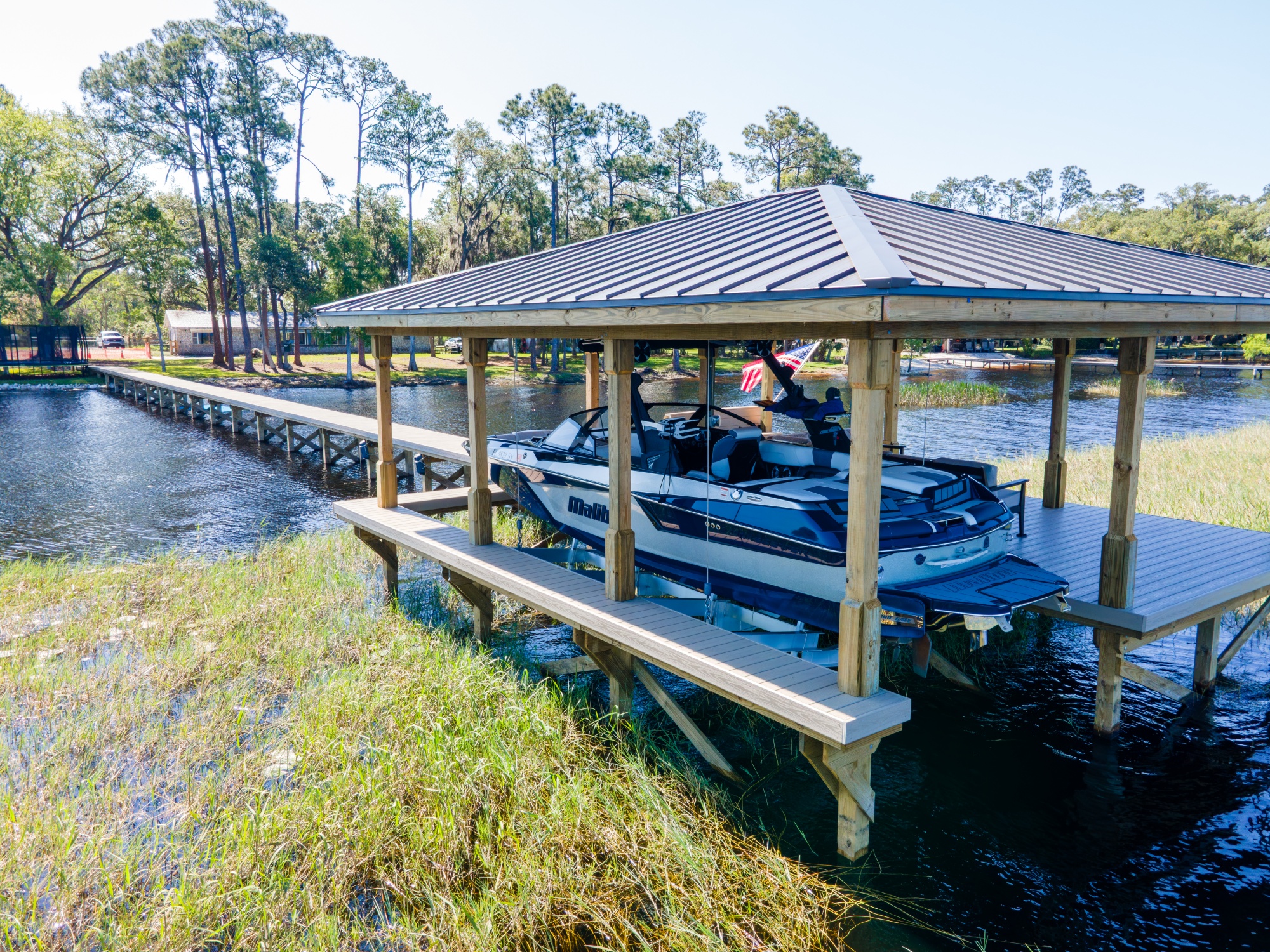
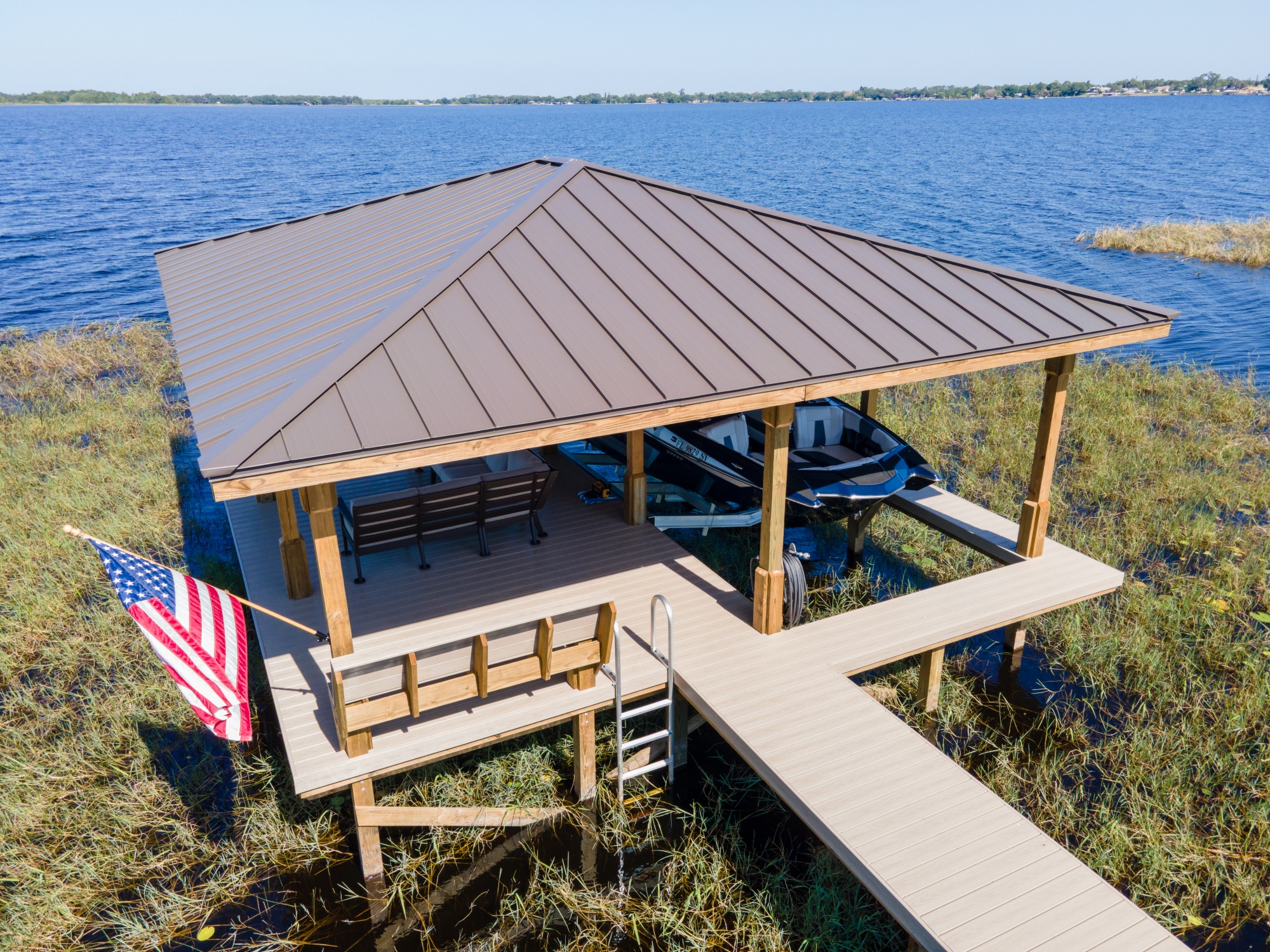
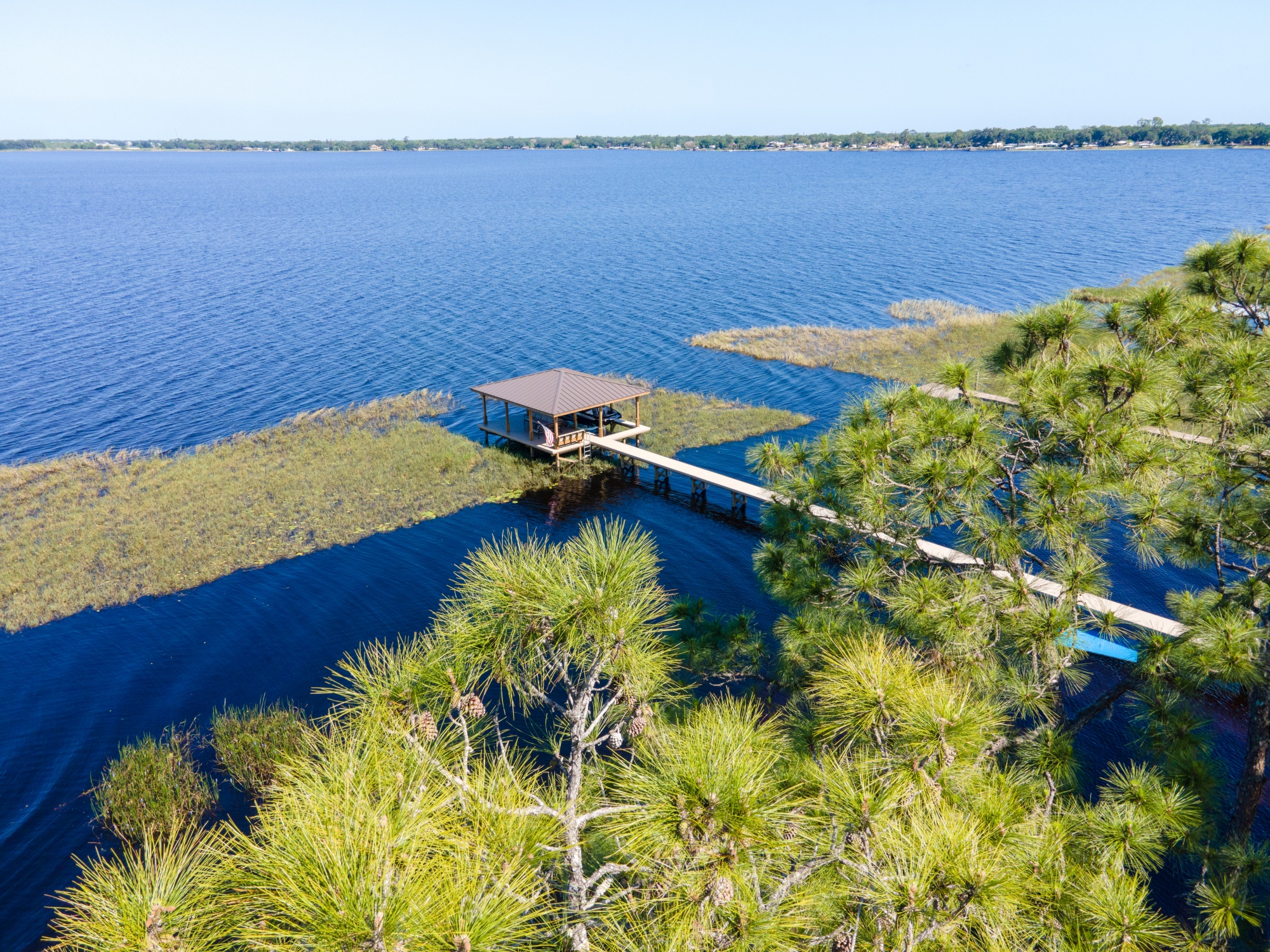
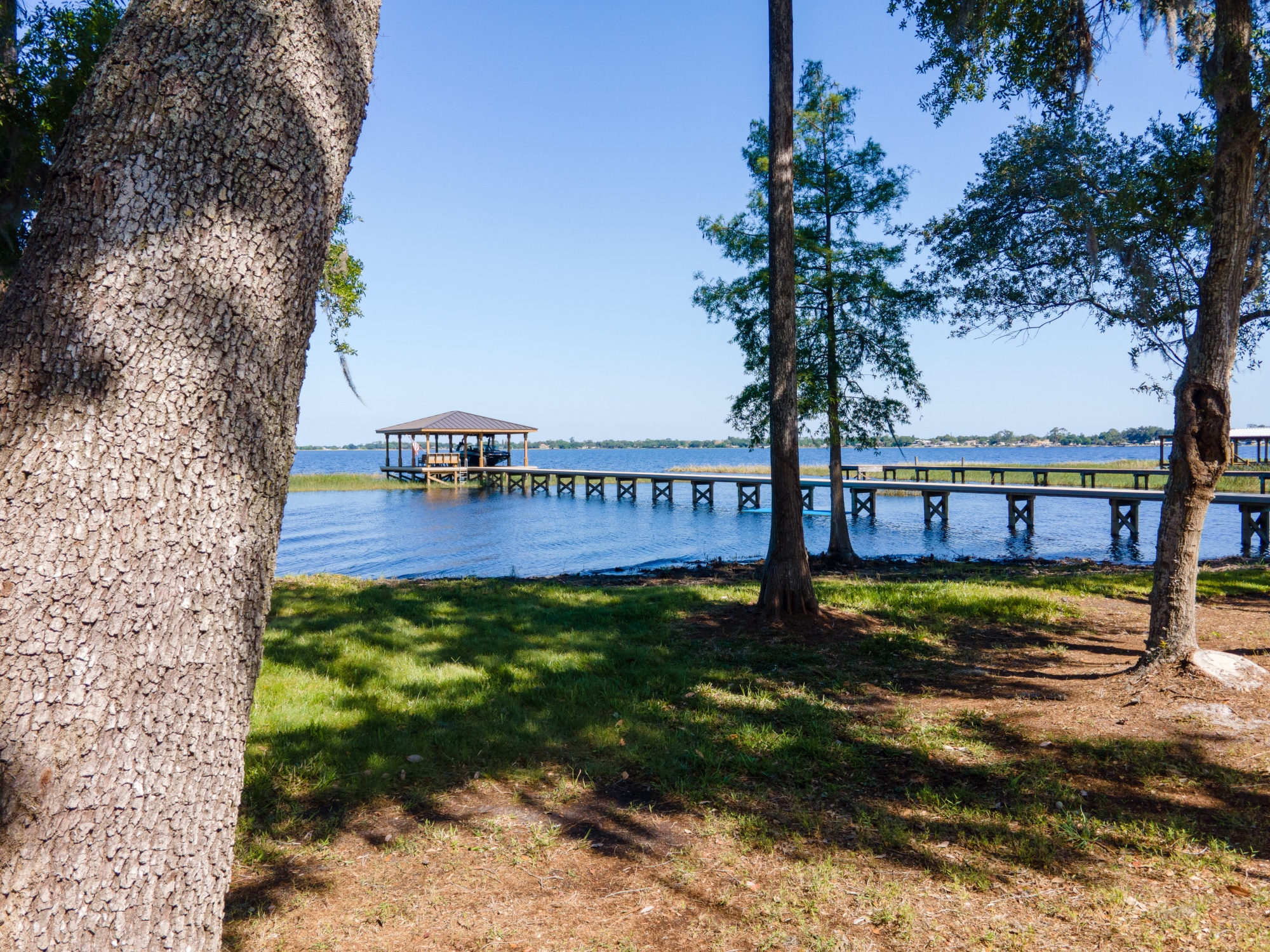
A dock is designed to provide access to the water for boating, fishing, swimming, or simply relaxing by the shoreline. It extends from the land into the water and creates a stable platform for waterfront activities.
Docks provide several benefits:
-
Easy boat access and mooring
-
A platform for fishing and recreation
-
Improved property usability
-
Increased home value for waterfront properties
Without a dock, accessing deeper water can be difficult or unsafe depending on shoreline conditions.
What a Seawall Does for Your Property 🧱
While a dock focuses on access, a seawall focuses on protection. A seawall is a barrier that prevents shoreline erosion and stabilizes the land along the water’s edge.
Seawalls protect against:
-
Soil erosion from waves and boat wakes
-
Land loss during storms or high water
-
Flooding behind the shoreline
-
Structural damage to nearby buildings
Without shoreline protection, properties can gradually lose land over time.
Why the Two Structures Work Best Together
When a seawall and dock are designed together, they create a complete waterfront system.
Key advantages include:
-
The seawall stabilizes the shoreline where the dock connects to land
-
Dock loads can be distributed properly without damaging the shoreline
-
Drainage and erosion control can be integrated into the design
-
Long-term maintenance becomes easier and more predictable
This coordinated design prevents many of the problems seen when docks are installed on unstable shorelines.
Common Design Approaches
Marine contractors often plan docks and seawalls with the same long-term strategy.
Typical setups include:
-
Seawalls with dock pilings installed just offshore
-
Dock walkways connecting directly to a reinforced seawall cap
-
Boat lifts integrated with dock systems supported by nearby seawall structures
-
Riprap or erosion control installed alongside the seawall to absorb wave energy
This approach ensures each structure supports the other.
When a Property Needs Both
Some waterfront properties especially benefit from having both structures installed.
These include:
-
Properties experiencing shoreline erosion
-
Areas with frequent boat traffic and wave activity
-
Locations exposed to storm surge or heavy rainfall
-
Homes where docks are used regularly for boating
Installing a dock without shoreline protection in these environments can lead to long-term damage.
Built to Work Together
At Hansen Marine Construction, we evaluate each property to determine how docks, seawalls, and shoreline protection should work together. Our goal is to design waterfront structures that not only look great but also perform reliably for decades.
If you’re planning a dock or noticing erosion along your shoreline, our team can assess your property and recommend the right combination of solutions.
Frequently Asked Questions About Docks and Seawalls
Do I need a seawall if I already have a dock?
In many cases yes. A dock provides water access, but a seawall protects the shoreline from erosion and land loss.
Can a dock be attached directly to a seawall?
Yes, many docks connect to seawall caps or walkways, but they must be properly engineered to avoid structural stress.
Does a seawall increase property value?
A well-built seawall can increase property value by protecting land and improving waterfront stability.
What happens if a dock is built on an eroding shoreline?
If the shoreline continues to erode, the dock connection point may weaken, requiring costly repairs or relocation.
Can a seawall be added after a dock is installed?
Yes, but it often requires adjustments to the dock structure. Planning both together is usually more efficient.
How long do docks and seawalls last together?
With proper materials and maintenance, docks typically last 20–30 years while seawalls often last 30–50 years or more.