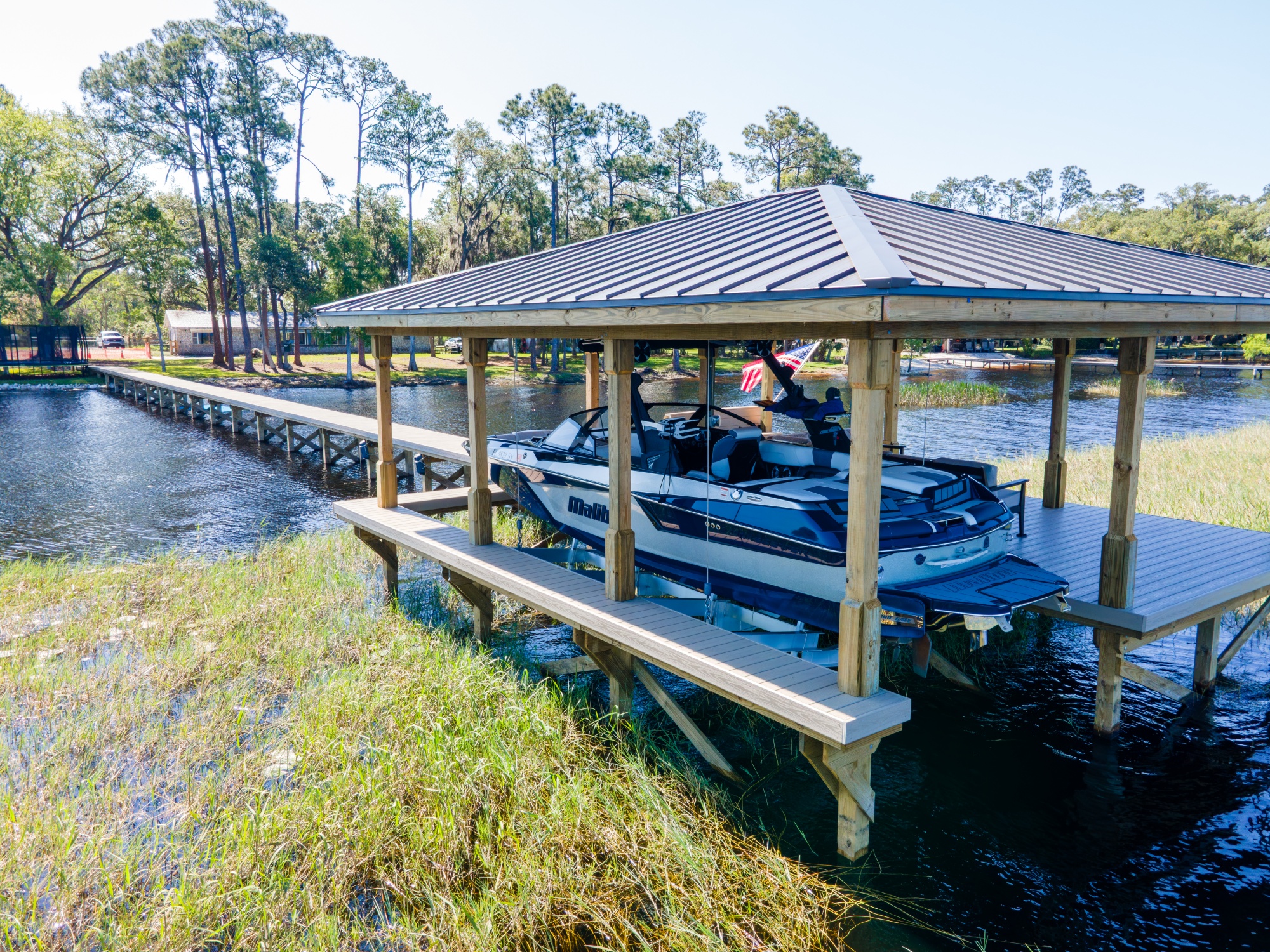
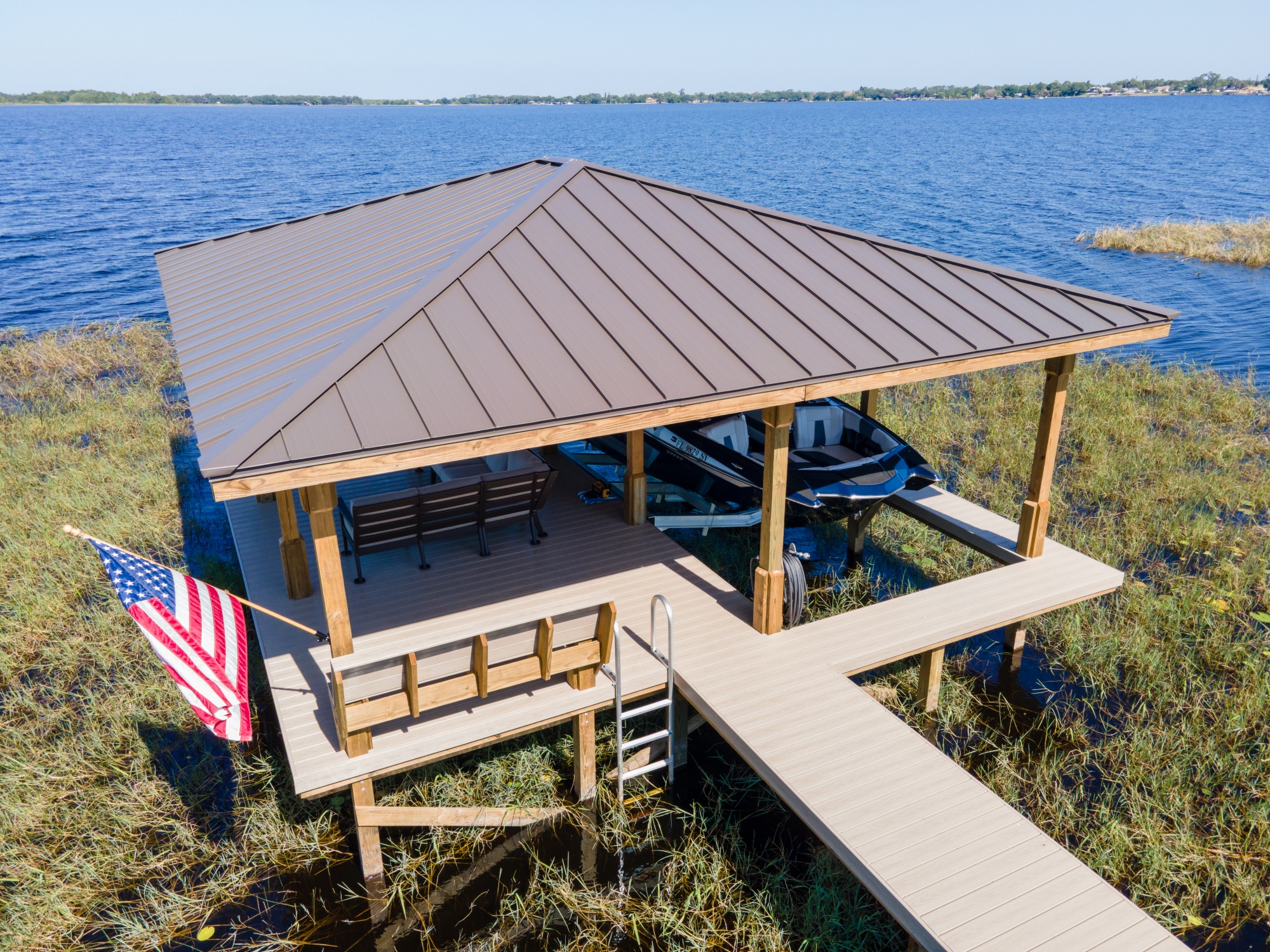
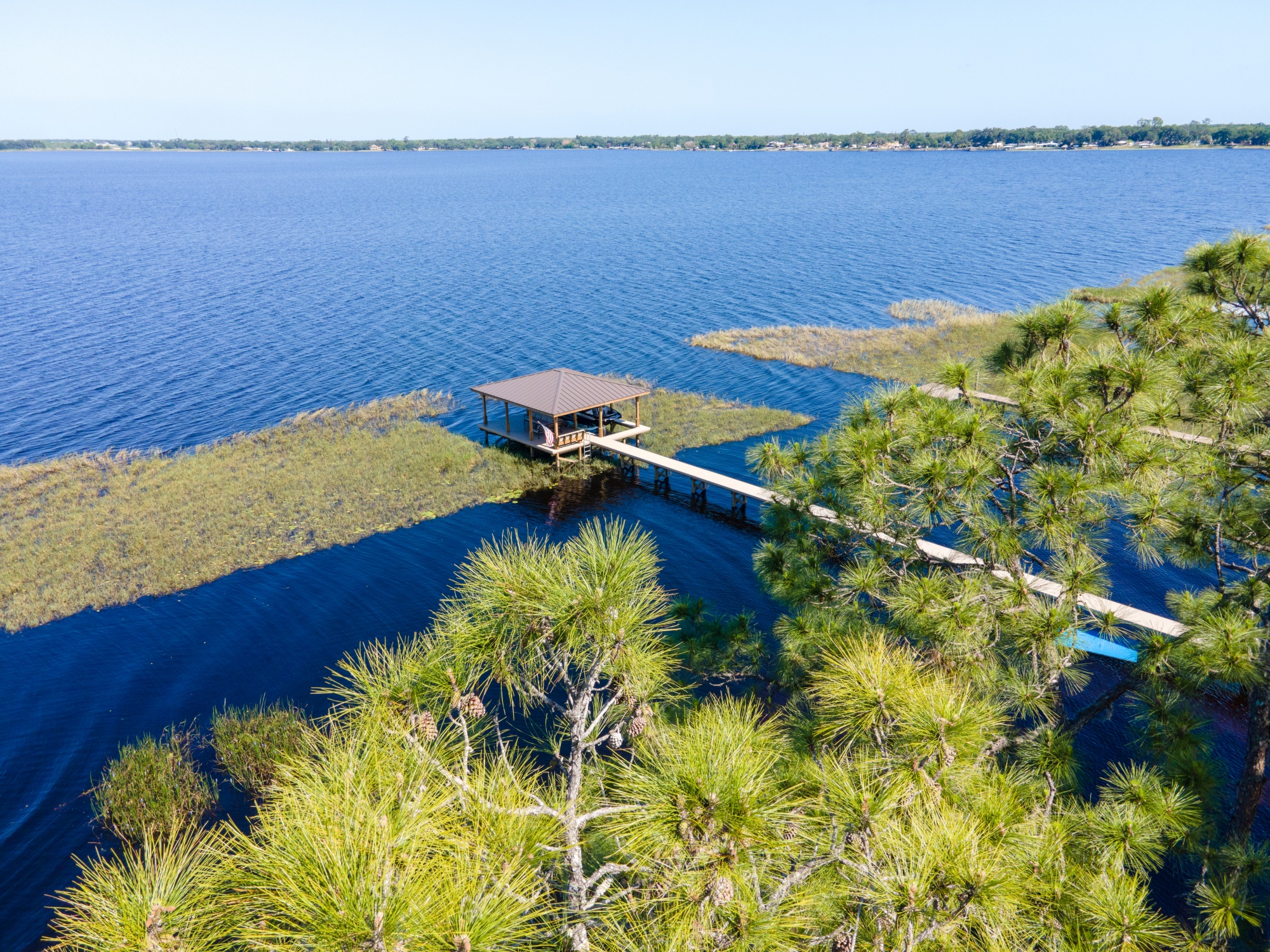
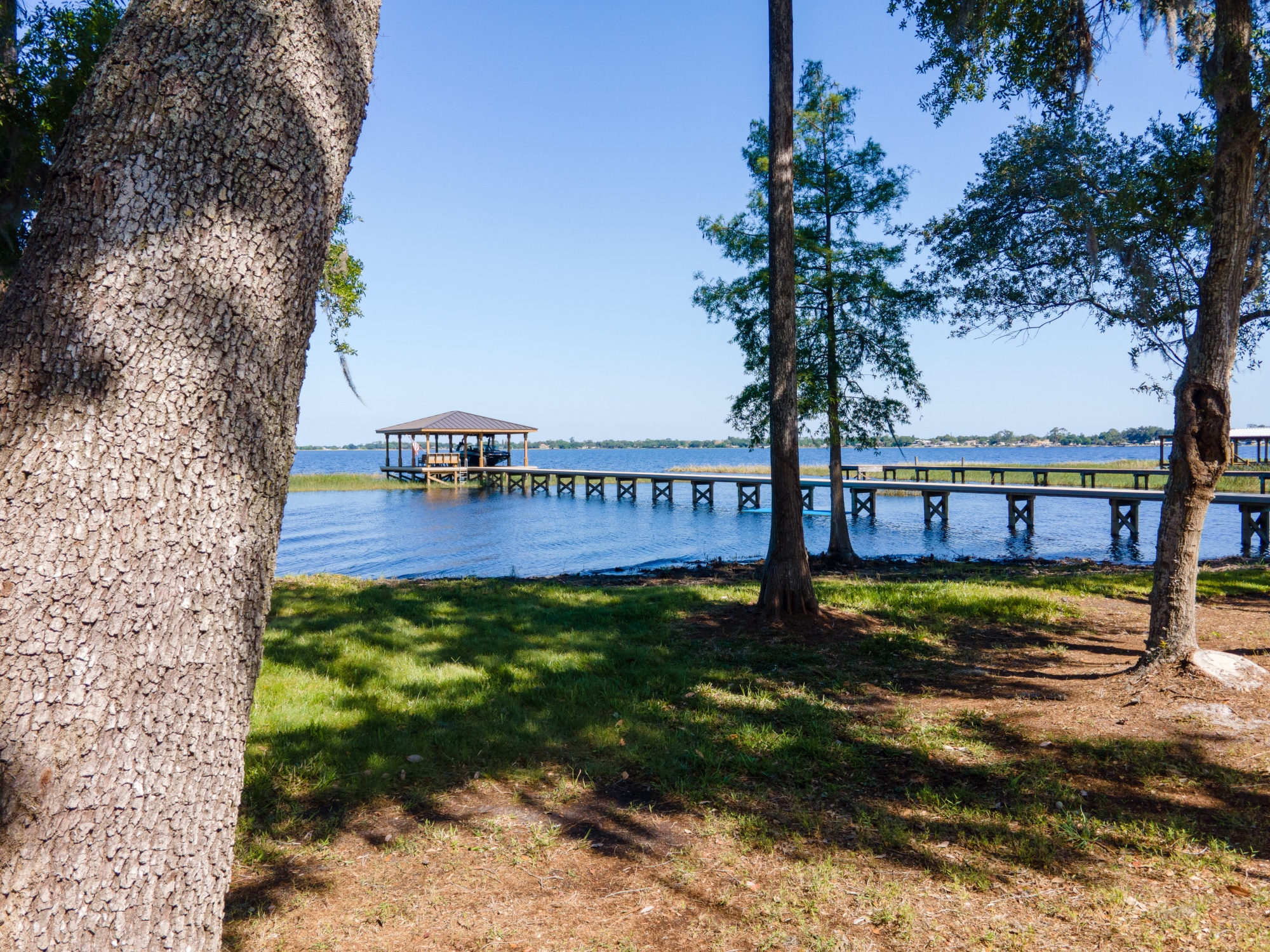
Water levels play a major role in how a dock should be designed, built, and maintained. In Florida, fluctuating lake levels, seasonal rainfall, and storm activity can all impact dock performance. At Hansen Marine Construction, we factor water behavior into every dock project to ensure long-term usability, safety, and structural integrity.
Why Water Levels Matter
A dock that works perfectly at one water level can become unusable—or even unsafe—at another. Changes in water height affect:
-
Boat access and clearance
-
Dock stability and alignment
-
Stress on pilings and hardware
-
Ease of boarding and launching
Designing without accounting for these changes often leads to costly modifications later.
Fixed Docks and Water Level Changes 🪵
Fixed docks are built on pilings driven into the lakebed or shoreline. They remain at a constant height regardless of water movement.
They work best when:
-
Water levels are relatively stable year-round
-
The dock is built high enough to account for seasonal rises
-
The water is deep enough during low periods to maintain boat access
Potential challenges include limited usability during extreme low-water conditions and reduced clearance during unusually high water events.
Floating Docks and Fluctuating Water ⚓
Floating docks rise and fall with the water level, making them ideal for areas with frequent or unpredictable changes.
Benefits include:
-
Consistent height for easy boarding
-
Better adaptability during rainy or dry seasons
-
Reduced stress on structural connections
Floating systems require proper anchoring and guidance pilings to stay stable during storms and boat traffic.
Seasonal Considerations in Florida ☀️🌧️
Florida’s wet and dry seasons can cause noticeable shifts in lake and canal levels. Dock designs must account for:
-
Summer rain and storm surge
-
Winter dry spells and evaporation
-
Wake activity from boats during peak seasons
Ignoring seasonal patterns can lead to docks sitting too high, too low, or becoming unstable over time.
How Hansen Marine Construction Designs for Water Movement
We evaluate each site to determine:
-
Historical water level changes
-
Shoreline slope and soil conditions
-
Boat draft and usage needs
-
Permit restrictions related to height and extension
Based on these factors, we recommend fixed docks, floating docks, or hybrid solutions that perform reliably year-round.
Build for Today and Tomorrow
Water levels will always change—but a properly designed dock should handle those changes without sacrificing function or safety.
At Hansen Marine Construction, we design docks that adapt to your environment, not fight against it. If you’re planning a new dock or dealing with water-level issues on an existing one, reach out to our team and let’s design a solution that works in every season.