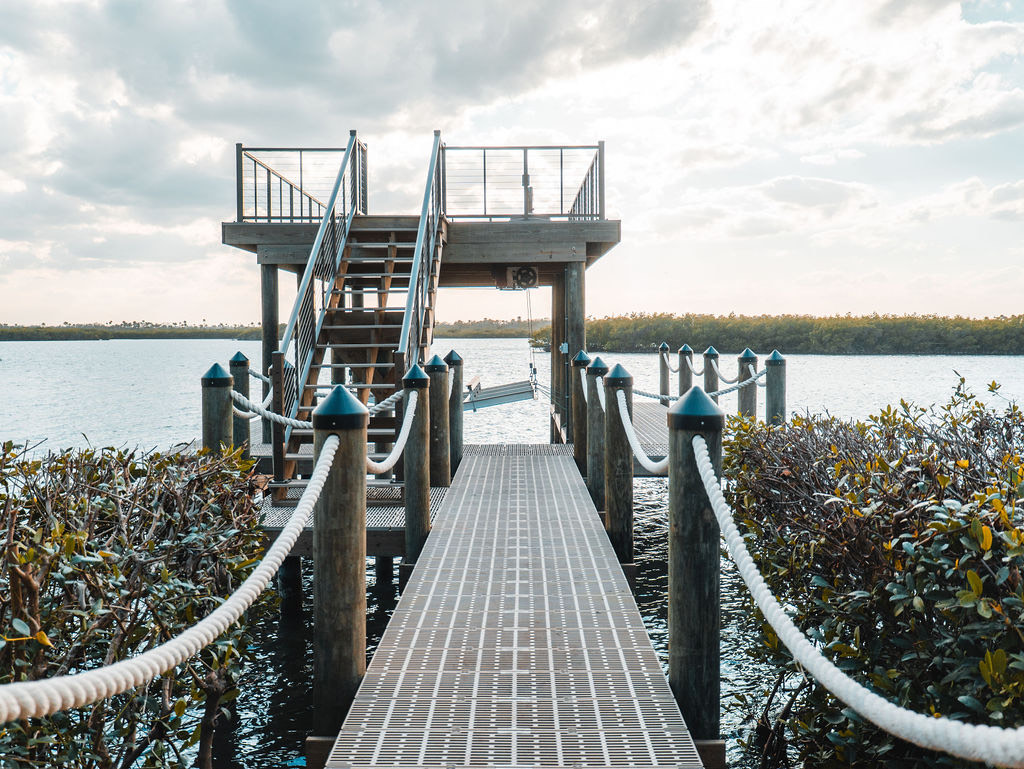
If you’re planning to build a dock, seawall, boat house, or any waterfront structure in Florida, understanding shoreline setbacks is critical. Setbacks are the invisible boundary lines that determine how close you can build to the water—and violating them can mean costly delays, denied permits, or even having to remove completed work. At Hansen Marine Construction, we help clients navigate these regulations to ensure projects are compliant from the start.
What Is a Shoreline Setback?
A shoreline setback is a regulatory buffer zone between the high-water mark (or property line) and any new construction. It’s designed to:
-
Protect natural habitats and wetlands
-
Reduce erosion and stormwater runoff
-
Maintain public or environmental access to water
-
Prevent overcrowding or damage to neighboring properties
Setbacks vary depending on your property’s location, local ordinances, and the type of project being built.
Common Setback Guidelines in Florida
There’s no one-size-fits-all rule, but here’s what property owners typically encounter:
🏗️ Docks & Piers:
-
Must usually stay 25 feet or more from side property lines
-
May have restrictions on total length or distance into the water
-
Can require neighbor consent if extending into shared water space
🧱 Seawalls & Riprap:
-
Often must follow the natural shoreline contour
-
Setbacks may apply if you’re altering wetlands or marshy zones
🏠 Boat Houses & Covered Structures:
-
Typically require additional clearance compared to open docks
-
Height and roof slope may be regulated in residential areas
🛣️ Boardwalks & Paths:
-
May be limited in width or material depending on proximity to wetlands
-
Must allow for natural water flow and minimal disruption
What Affects Setback Requirements?
Your setback limits can vary based on:
-
Local city or county zoning codes
-
Water body type (lake, river, canal, or oceanfront)
-
Whether your shoreline is considered navigable or protected
-
If your property is in a designated environmental or conservation zone
This is why working with an experienced marine contractor is essential. We understand how to work within these boundaries—and how to request exceptions when possible.
How Hansen Marine Construction Helps
Navigating setback regulations is part of our process. We:
-
Conduct on-site assessments to identify high-water marks and boundary lines
-
Review local zoning rules and agency guidelines
-
Prepare site plans that comply with all setback and permitting requirements
-
Handle all paperwork and communication with regulatory agencies
You get a stress-free experience and full confidence that your project won’t hit legal or environmental roadblocks.
Don’t Let Setbacks Set You Back
One misstep in the planning stage can result in big problems later. Let Hansen Marine Construction guide your project from day one, ensuring everything we build is permitted, protected, and perfectly placed.
Contact us today to schedule a site review and start planning your next waterfront upgrade—the right way.