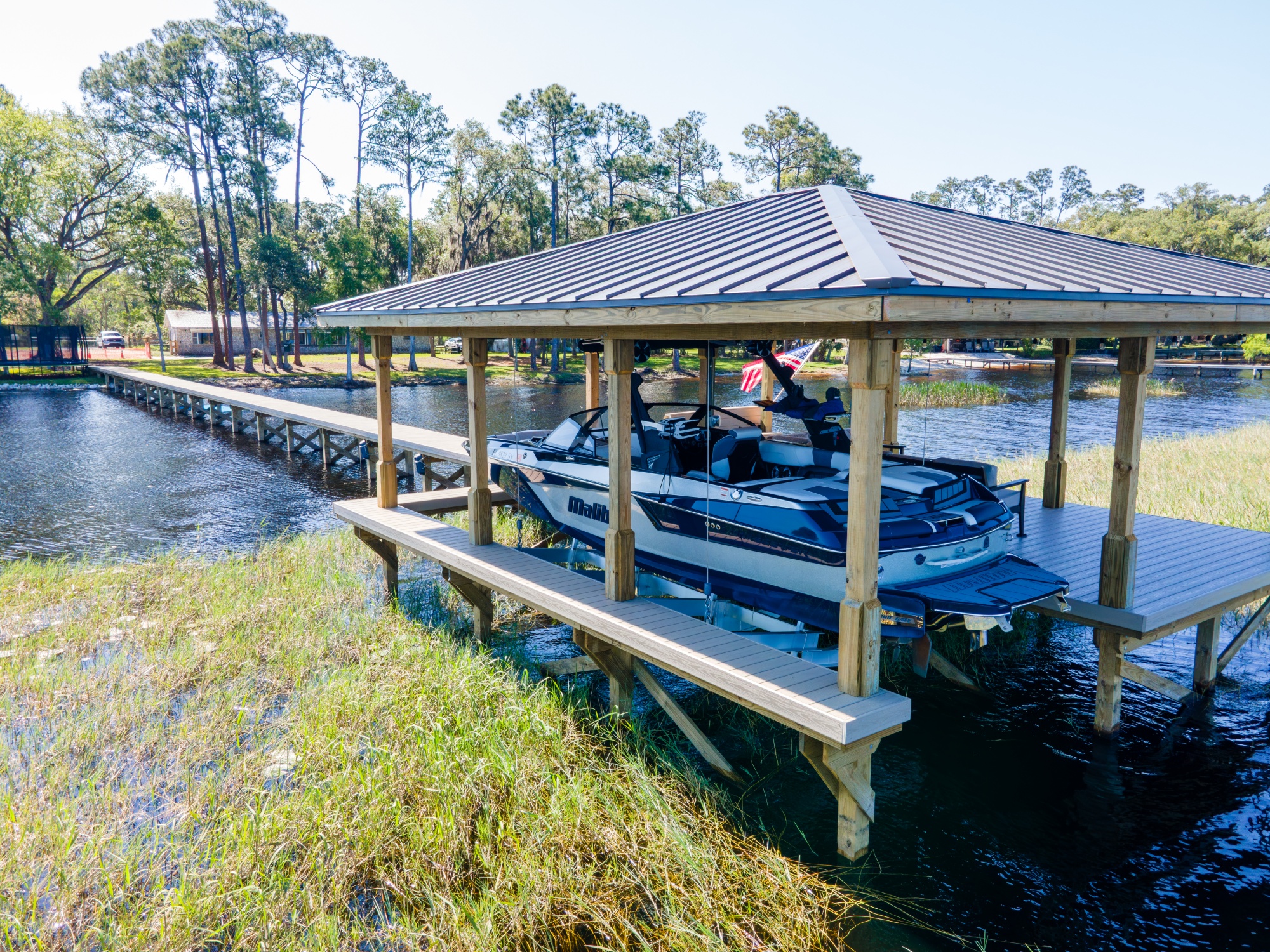
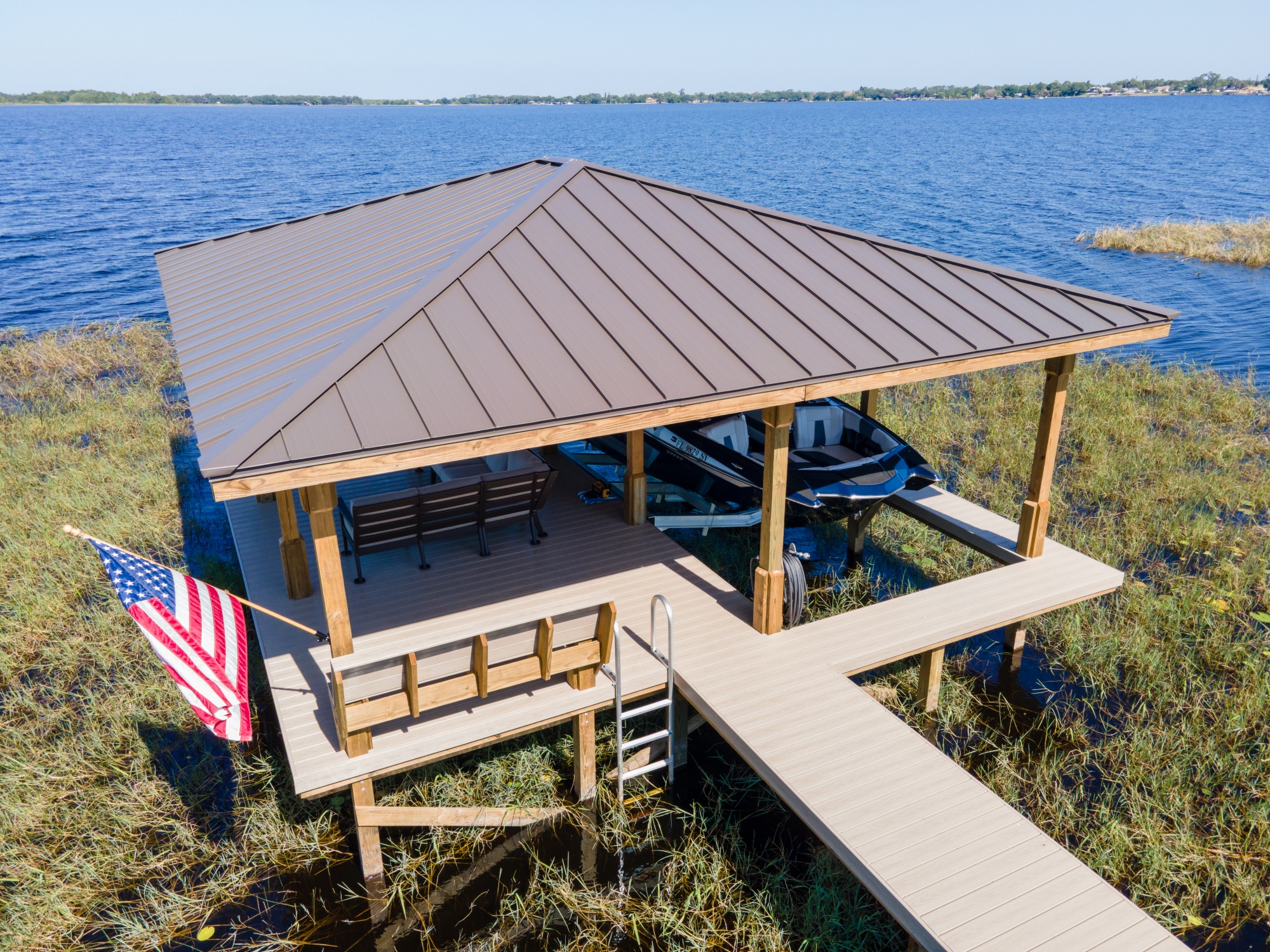
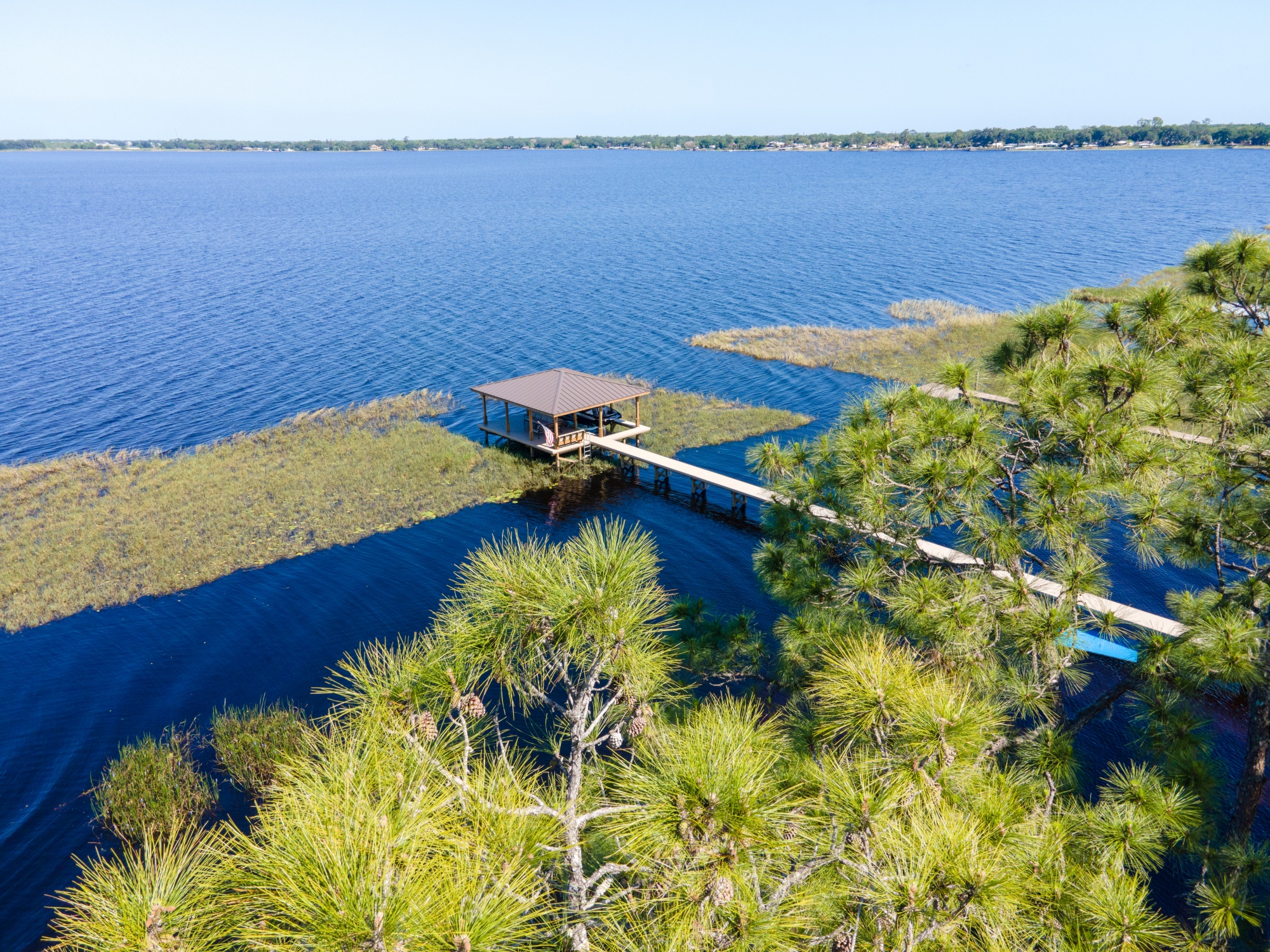
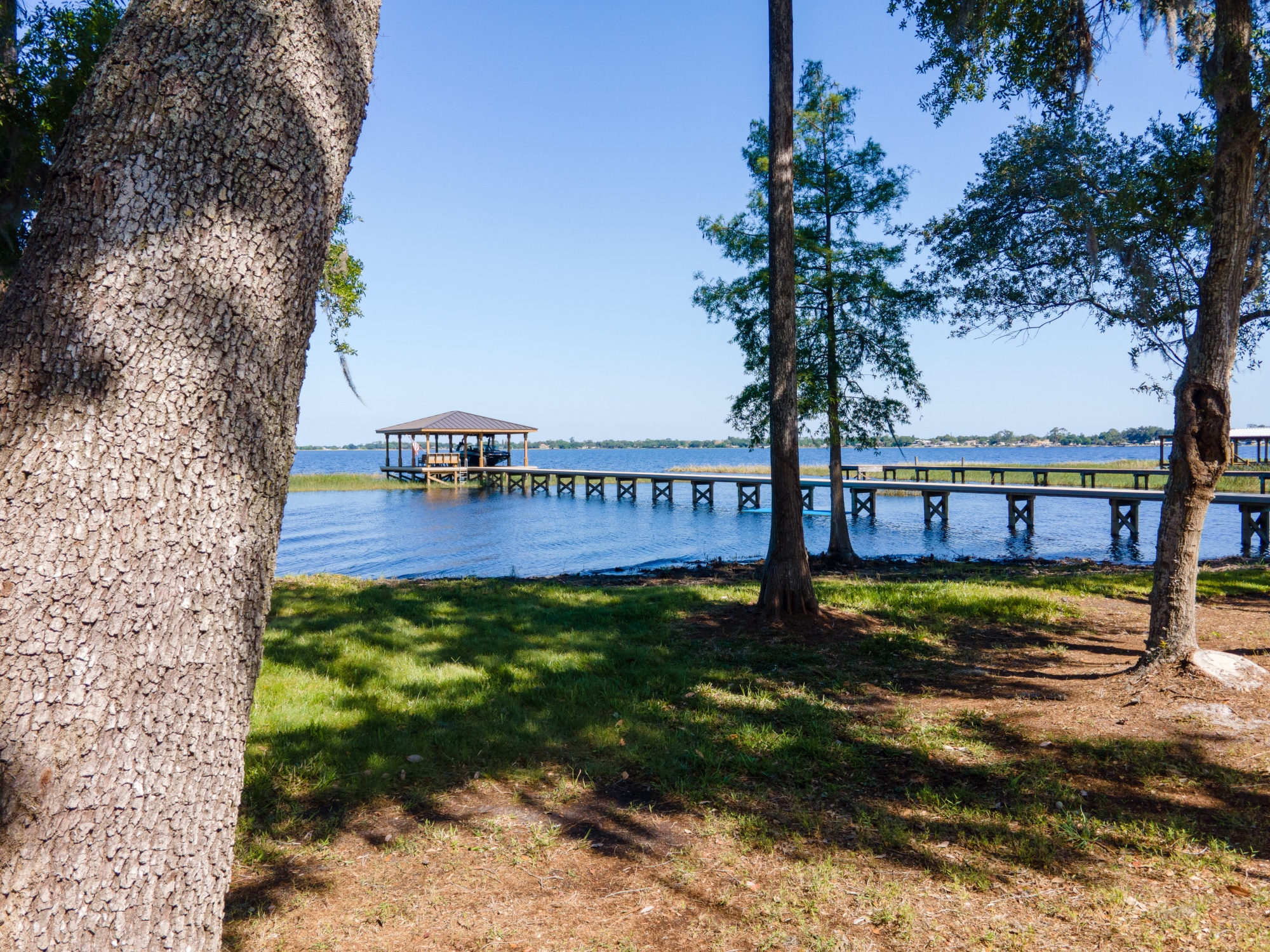
Dock pilings are the hidden backbone of every waterfront structure. While decking and railings are the visible parts people notice, pilings are what keep the entire dock stable and secure. Over time, however, pilings can weaken, shift, or fail due to environmental exposure and structural stress. At Hansen Marine Construction, we help property owners identify early warning signs before small issues become major structural problems.
What Are Dock Pilings?
Pilings are long vertical supports driven deep into the ground beneath the water. Their job is to:
- Support the weight of the dock
- Resist movement from waves and currents
- Keep the structure level and stable
Without strong pilings, even a brand-new dock will eventually become unsafe.
The Most Common Causes of Piling Failure 🔍
Several factors can weaken dock pilings over time.
Constant Water Exposure
Water slowly breaks down materials, especially untreated or aging wood pilings.
Wave and Boat Wake Pressure
Repeated movement from waves and boat traffic puts stress on pilings year after year.
Wood Rot and Marine Organisms
Wood pilings can deteriorate due to rot, moisture, and marine borers that damage submerged sections.
Corrosion of Metal Components
Steel brackets, bolts, and reinforcement hardware can rust and weaken over time.
Improper Installation
Pilings that were not driven deep enough or aligned correctly may shift or settle prematurely.
Signs Your Dock Pilings May Be Failing 🚨
Early warning signs should never be ignored.
Watch for:
- Wobbling or unstable dock sections
- Leaning pilings
- Cracks or visible splitting
- Rot near the waterline
- Uneven dock surfaces or sagging areas
If these issues continue unchecked, the entire dock structure can become unsafe.
Why the Waterline Is a Critical Area 🌊
One of the most vulnerable sections of a piling is the area near the waterline. This zone experiences:
- Constant wet and dry cycles
- UV exposure from sunlight
- Increased oxygen exposure that accelerates deterioration
This is where rot, cracking, and weakening commonly begin.
How Hansen Marine Construction Prevents Piling Failure 🛠️
We build docks with long-term durability in mind by:
- Using marine-grade treated pilings
- Driving pilings to proper depth for stability
- Installing corrosion-resistant hardware
- Designing structures that handle wave and boat activity
Proper installation dramatically increases the lifespan of the entire dock.
Repair vs. Replacement
In some cases, isolated piling issues can be repaired or reinforced. However, widespread deterioration may require replacement to maintain structural safety.
We evaluate:
- Overall piling stability
- Structural alignment
- Extent of rot or corrosion
- Remaining lifespan of the dock system
Our goal is always to recommend the safest and most cost-effective solution.
Protect the Foundation of Your Dock
Dock pilings are easy to forget because most of the structure sits underwater—but they are one of the most important parts of any marine construction project. Regular inspections and timely repairs can prevent major failures and extend the life of your dock for many years.
If your dock feels unstable or you’ve noticed signs of piling deterioration, Hansen Marine Construction can inspect your structure and help you determine the best next step.
Frequently Asked Questions About Dock Pilings
How long do dock pilings last?
Properly installed treated wood pilings often last 20–30 years, while concrete and composite options may last longer.
What is the most common reason dock pilings fail?
Water exposure, rot, wave action, and improper installation are the leading causes.
Can dock pilings be repaired?
Sometimes. Minor issues may be reinforced, but severely deteriorated pilings often require replacement.
How do I know if my pilings are bad?
Signs include wobbling docks, leaning supports, cracking, rot, or sagging dock sections.
Are concrete pilings better than wood?
Concrete pilings generally last longer and resist rot, but the best choice depends on the project and environment.
How often should pilings be inspected?
At least once a year and after major storms or heavy wave activity.