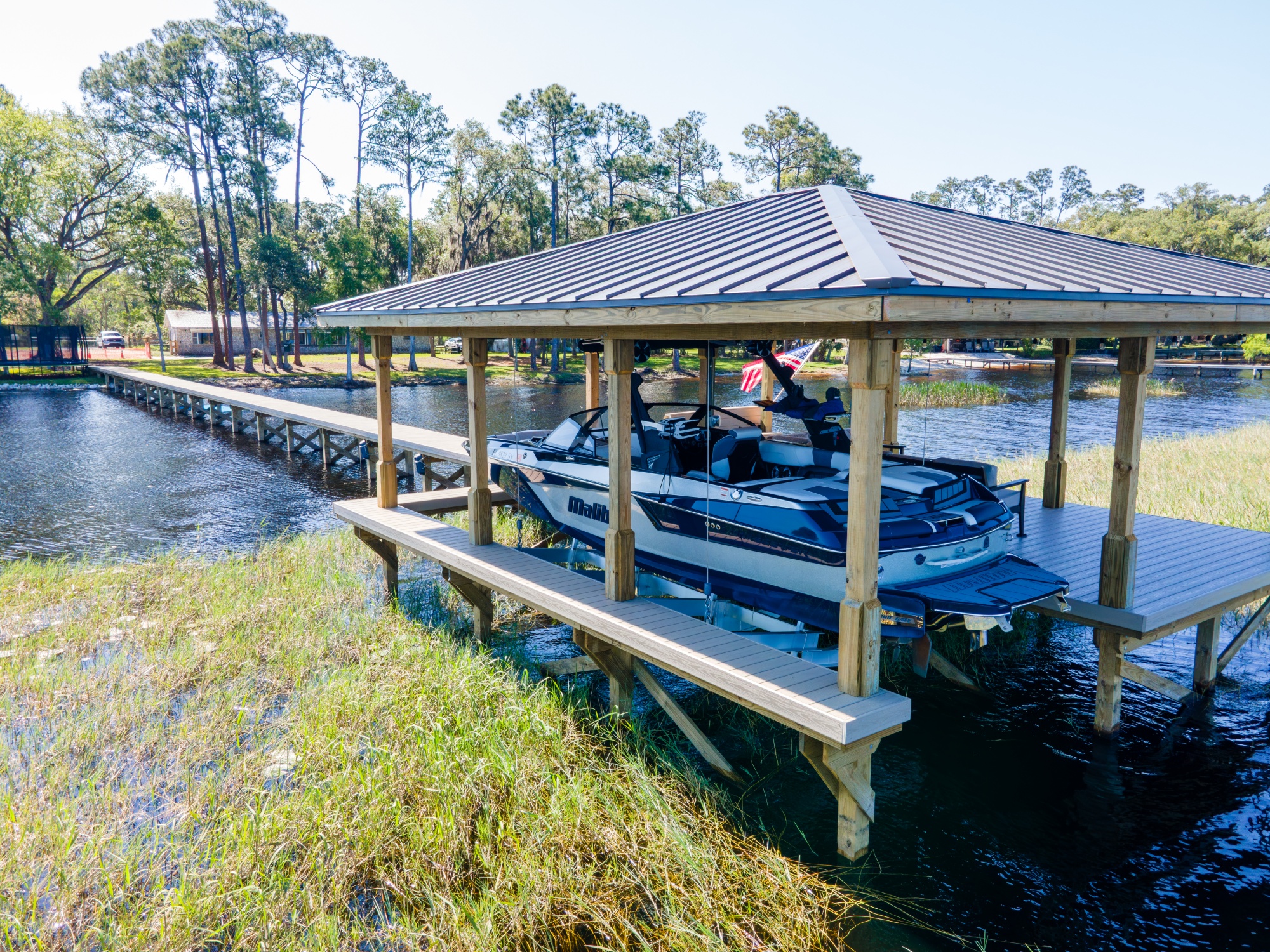
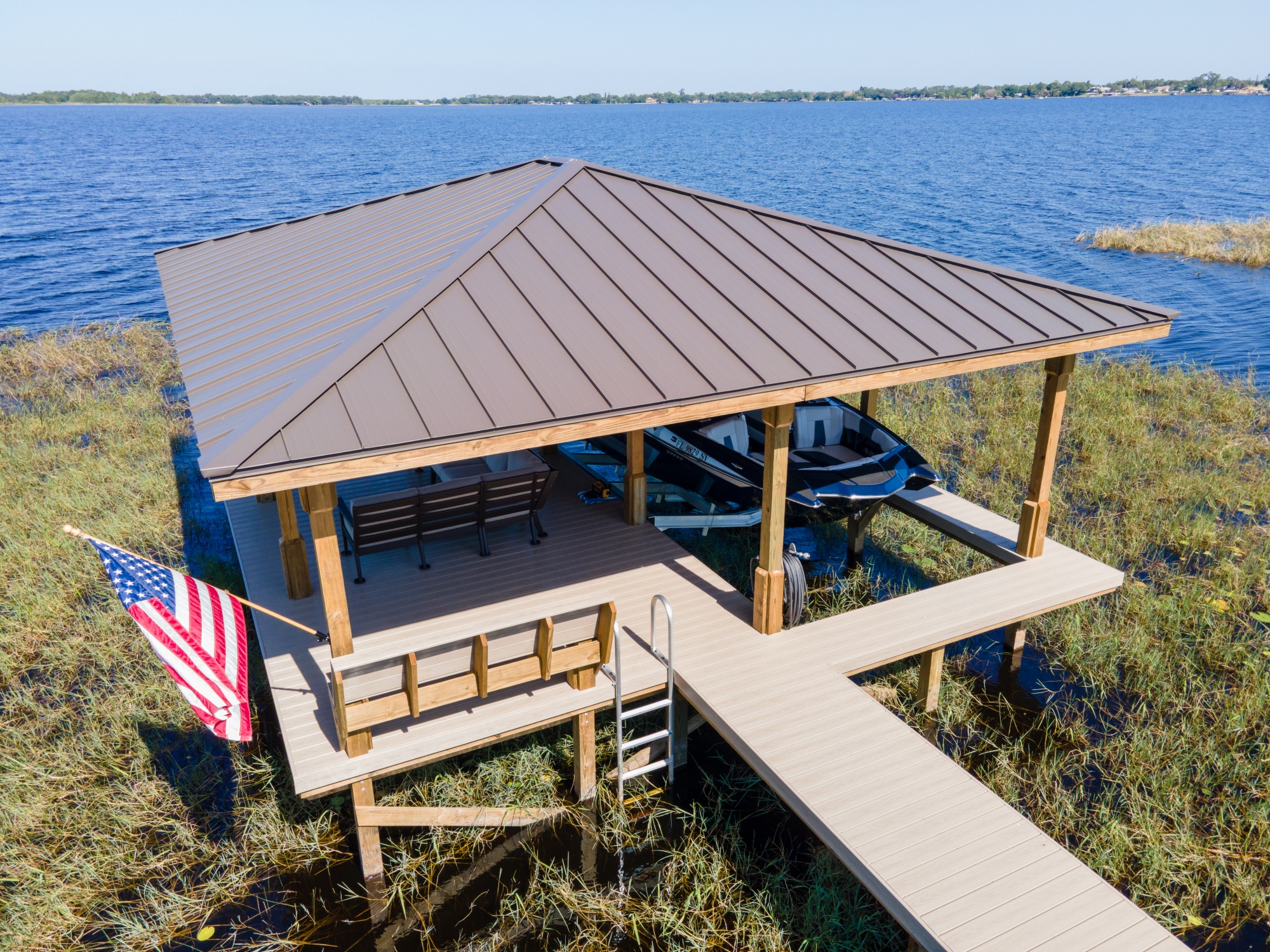
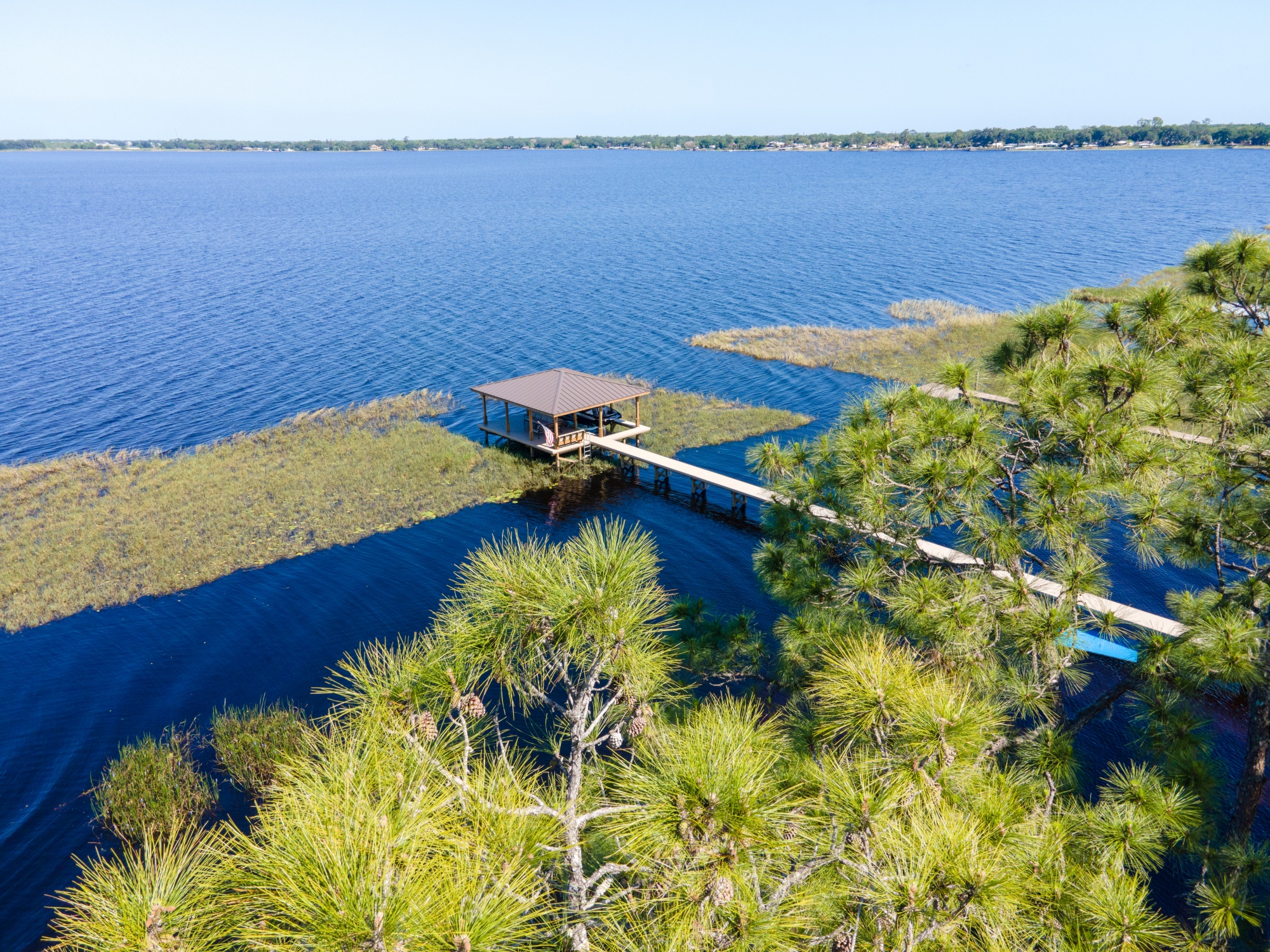
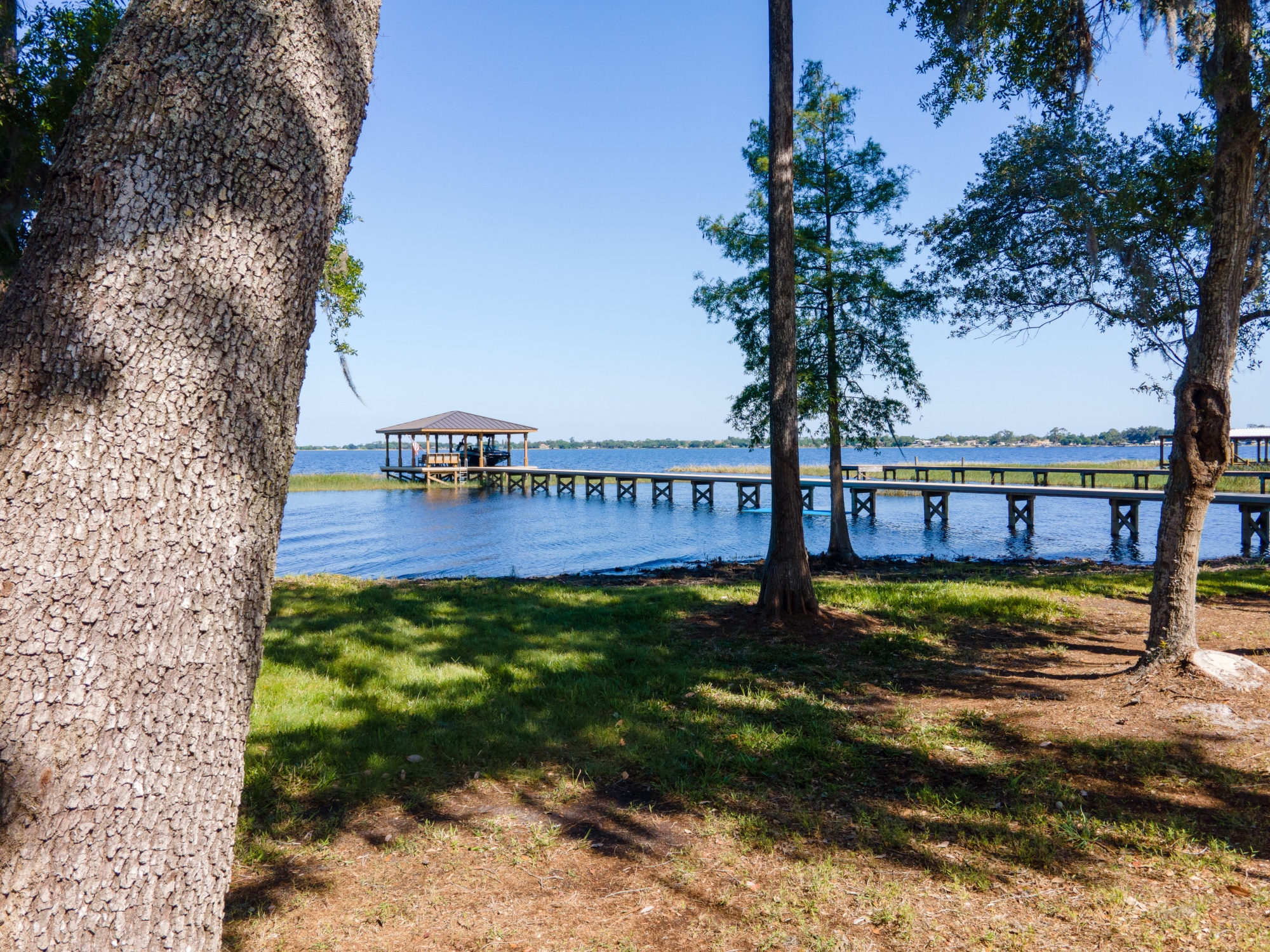
Dock height is one of the most overlooked details in waterfront construction, yet it has a massive impact on safety, usability, and long-term performance. A dock that’s too high or too low can quickly become frustrating—or dangerous—to use. At Hansen Marine Construction, dock height is never a guess. It’s carefully calculated based on water behavior, shoreline conditions, and how the dock will be used.
What Dock Height Actually Affects
Dock height influences nearly every aspect of daily use, including:
-
Ease of getting in and out of boats
-
Safety when walking, fishing, or loading gear
-
How the dock performs during high or low water
-
Stress placed on pilings and framing
-
Long-term wear on decking and fasteners
A dock built at the wrong elevation may look fine at first, but problems often show up quickly.
Too High vs. Too Low 🚫
Docks built too high can make boarding boats difficult, especially for children or older users. They also increase fall risk and can become unusable during low water conditions.
Docks built too low are more likely to flood during heavy rain or storm surge. Constant water contact accelerates rot, corrosion, and algae buildup, shortening the dock’s lifespan.
The goal is a balanced height that works across seasonal water changes.
Fixed Docks vs. Floating Docks
Dock height decisions depend heavily on dock type.
Fixed docks must be set at a height that accounts for:
-
Historical high-water levels
-
Typical low-water conditions
-
Storm surge risk
-
Local permitting requirements
Once built, the height cannot change, so accuracy is critical.
Floating docks adjust naturally with water levels, but still require careful planning for:
-
Safe transition ramps
-
Dock-to-shore connections
-
Clearance under decking and framing
Both systems need proper height planning to function correctly year-round.
How Hansen Marine Construction Determines the Right Height
We evaluate multiple factors before setting dock elevation:
-
Seasonal and historical water level data
-
Shoreline slope and soil conditions
-
Boat draft and usage type
-
Flood zone and permitting restrictions
-
Long-term structural performance
This ensures the dock remains usable, safe, and compliant—not just today, but years down the road.
Height Errors Are Costly to Fix 💸
Incorrect dock height often leads to:
-
Rebuilding sections of the dock
-
Modifying pilings or framing
-
Ongoing usability issues
-
Increased maintenance and faster deterioration
Fixing height mistakes after construction is far more expensive than getting it right the first time.
Build Smart From the Start
Dock height isn’t a cosmetic choice—it’s a structural and functional decision that affects everything else. When planned correctly, it improves safety, comfort, and durability while reducing long-term costs.
If you’re planning a new dock or experiencing issues with an existing one, Hansen Marine Construction can evaluate your setup and recommend the right solution. Proper height makes all the difference on the water.