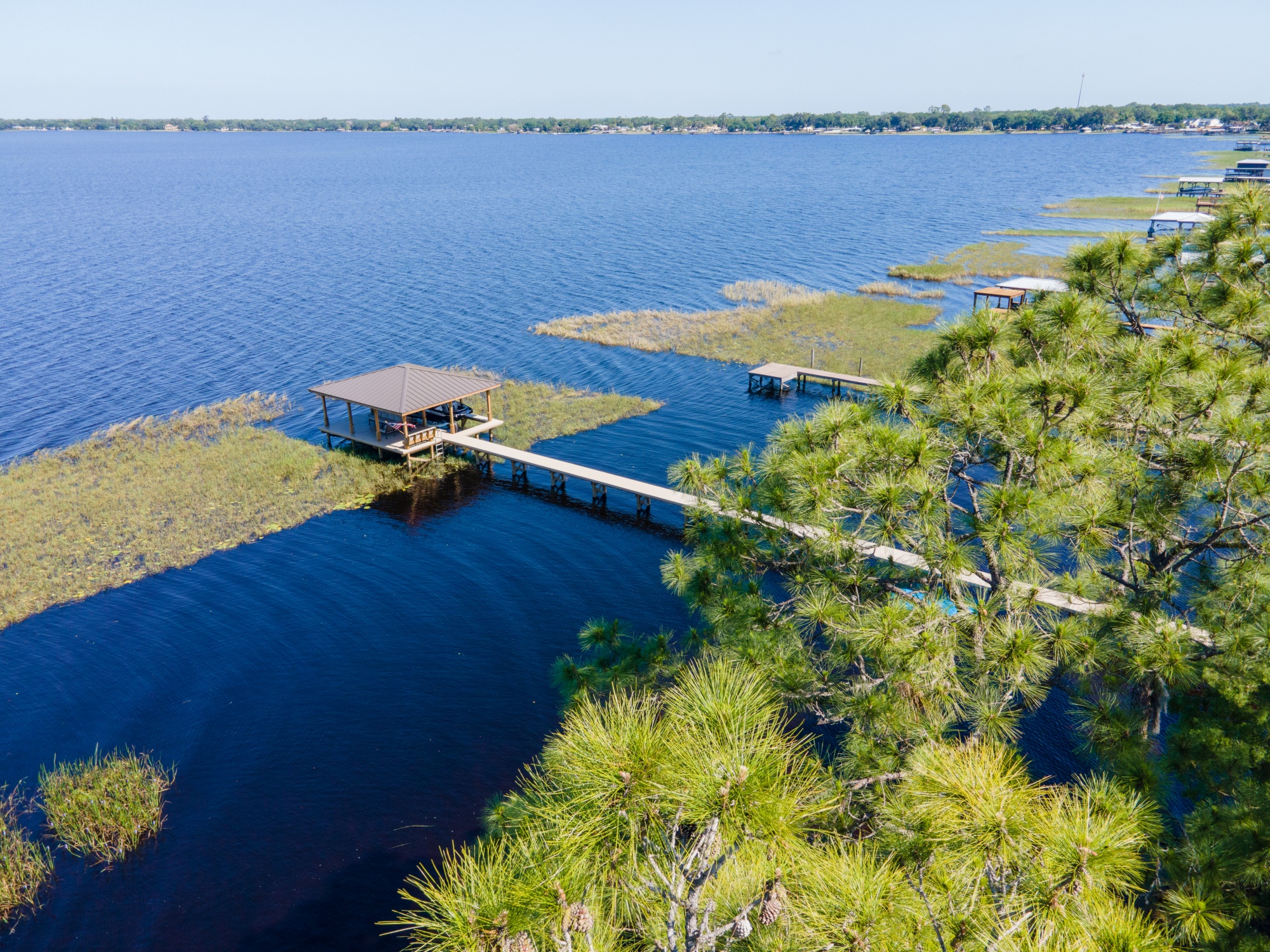
Not every waterfront property has a flat yard and an easy path to the water. Some properties have steep slopes, uneven shorelines, elevation changes, existing seawalls, or limited access between the home and waterfront.
These conditions don’t automatically prevent dock construction. They do, however, make site-specific planning especially important.
A dock needs to work with the property around it. Before deciding what to build, the shoreline, access point, water conditions, existing structures, and intended use should all be considered together.
Why a Sloped Waterfront Property Requires More Planning
On a relatively level waterfront lot, getting from the yard to the dock may be straightforward. A significant elevation difference changes that relationship.
The project may need to account for:
- The transition from the yard to the waterfront
- Safe and practical access to the dock
- Existing seawalls or shoreline structures
- Changes in elevation along the shoreline
- Water depth at the proposed dock location
- Space available for construction
- How the property owner intends to use the dock
The goal isn’t simply to reach the water. The dock and its approach should function as one practical waterfront space.
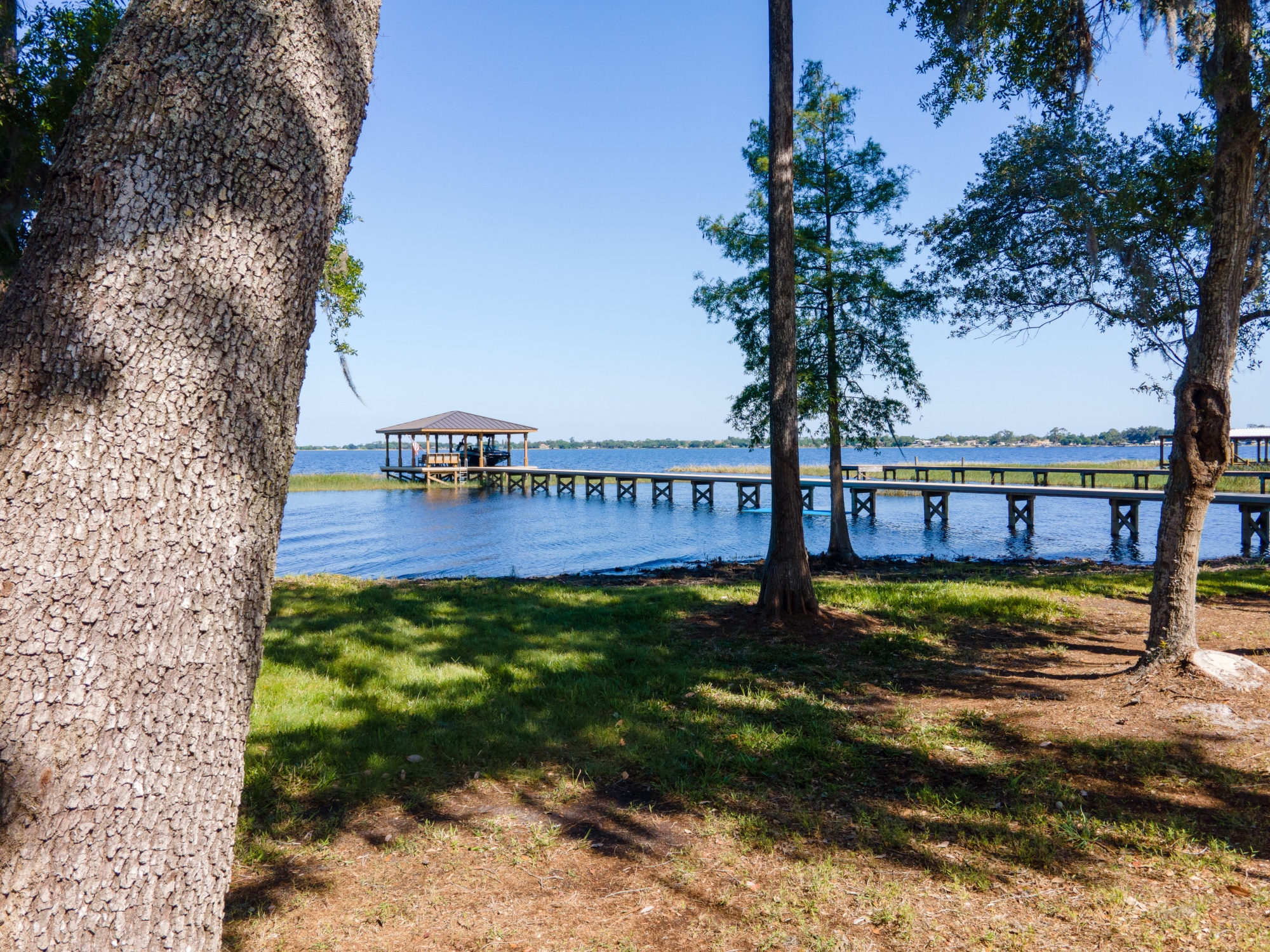
Don’t Ignore the Walk From the House to the Dock 🚶
Property owners naturally spend a lot of time thinking about the dock itself: its size, shape, decking, boat access, and where people will gather.
But on a challenging property, how you reach the dock can be just as important as the dock design.
For example, imagine carrying fishing equipment, coolers, boating supplies, or other gear down to the water. A poorly planned transition can become inconvenient even if the dock itself is excellent.
That’s why access should be considered during the initial design rather than treated as an afterthought.
An Existing Seawall Can Affect the Design
If the property already has a seawall, its location and condition become part of the planning process.
The relationship between the seawall, shoreline, and proposed dock needs to be understood before construction begins. The dock shouldn’t simply be designed independently of everything already at the water’s edge.
Visible issues around an existing seawall—such as settlement, soil loss, cracking, or significant movement—also deserve attention before assuming the surrounding area is ready for another waterfront structure.
Water Depth Still Matters
A difficult land-side approach isn’t the only consideration.
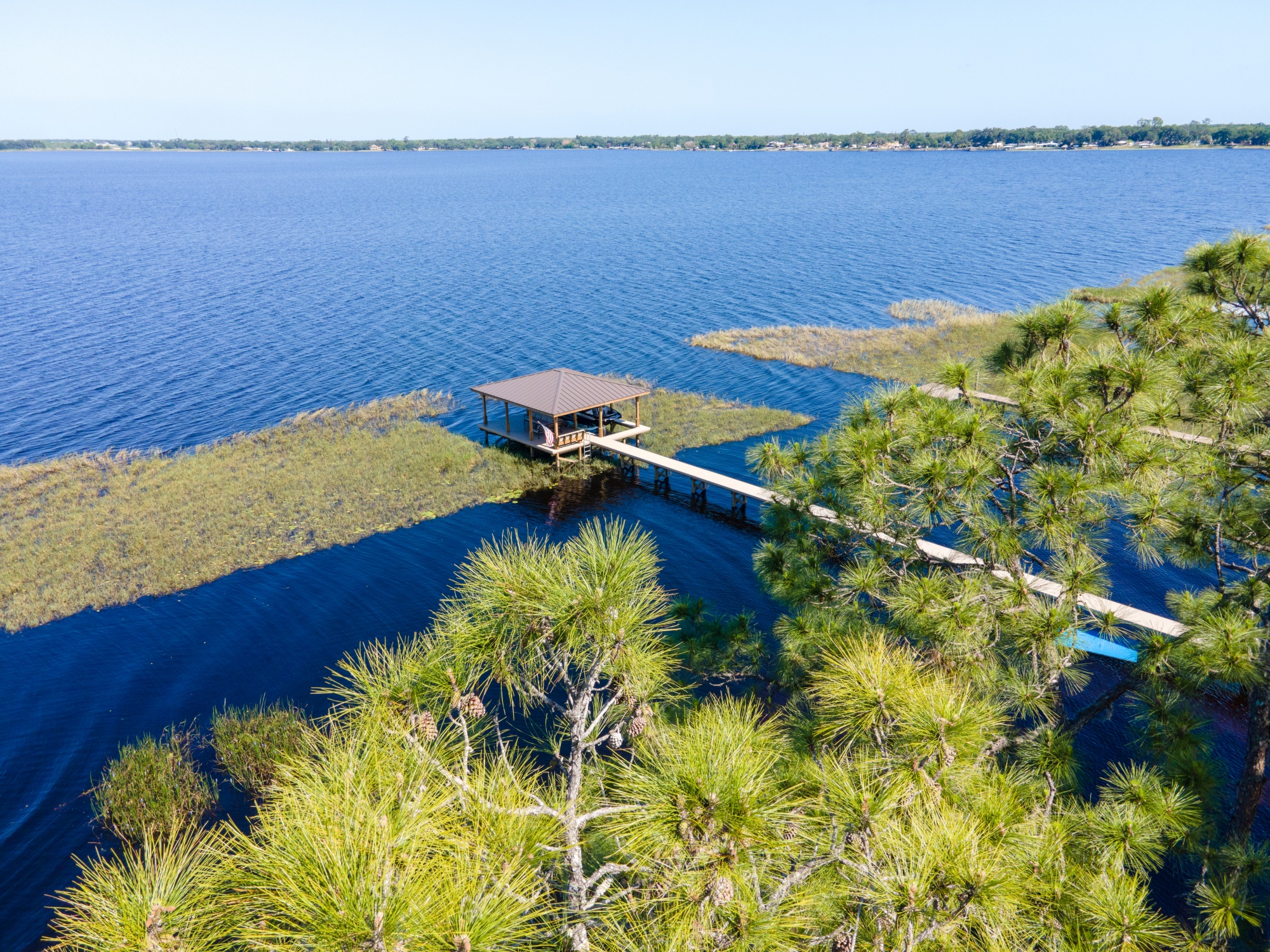
Conditions on the water side influence where and how a dock can function. Water depth can vary considerably across a waterfront property, and the location that is easiest to reach from land isn’t necessarily the most practical location for boating.
This is one reason custom docks are valuable. Instead of forcing a predetermined design onto the property, the layout can respond to actual site conditions and intended use.
What About a Boardwalk?
For some waterfront properties, a boardwalk can provide a useful connection between different areas of the property or improve access across challenging terrain.
A boardwalk and a dock aren’t necessarily interchangeable.
A dock primarily provides access to and use of the water, while a boardwalk can help create a defined route through a waterfront area.
Depending on the property, the two can also be considered as parts of a larger waterfront plan.
Limited Construction Access Is Another Consideration 🏗️
Some waterfront lots are difficult not because of the shoreline itself but because reaching it with equipment and materials is challenging.
Properties may have:
- Narrow side yards
- Fences or other improvements
- Landscaping between the street and shoreline
- Limited open space near the water
- Existing waterfront structures
Access constraints should be identified before construction begins because they can influence how a project is planned and executed.
Avoid removing fences, trees, landscaping, or other property features simply because you assume they will interfere with construction. Determine what access is actually required first.
Custom Design Becomes More Important on Challenging Lots
A standard dock layout may work well on one property and poorly on the property next door.
On a difficult waterfront lot, design decisions should respond to the actual site rather than trying to make the site fit a predetermined structure.
A useful planning process considers three areas together:
- Land: How will people safely and conveniently reach the waterfront?
- Shoreline: What existing conditions and structures need to be considered?
- Water: Where does the dock need to extend to serve its intended purpose?
Thinking about all three creates a much more complete picture of the project.
Start With the Property, Not a Dock From a Photograph 📐
Photos of other docks are excellent for identifying features and styles you like. They shouldn’t automatically become the construction plan for your property.
Your shoreline may have different elevation, water depth, access limitations, existing structures, and permitting considerations.
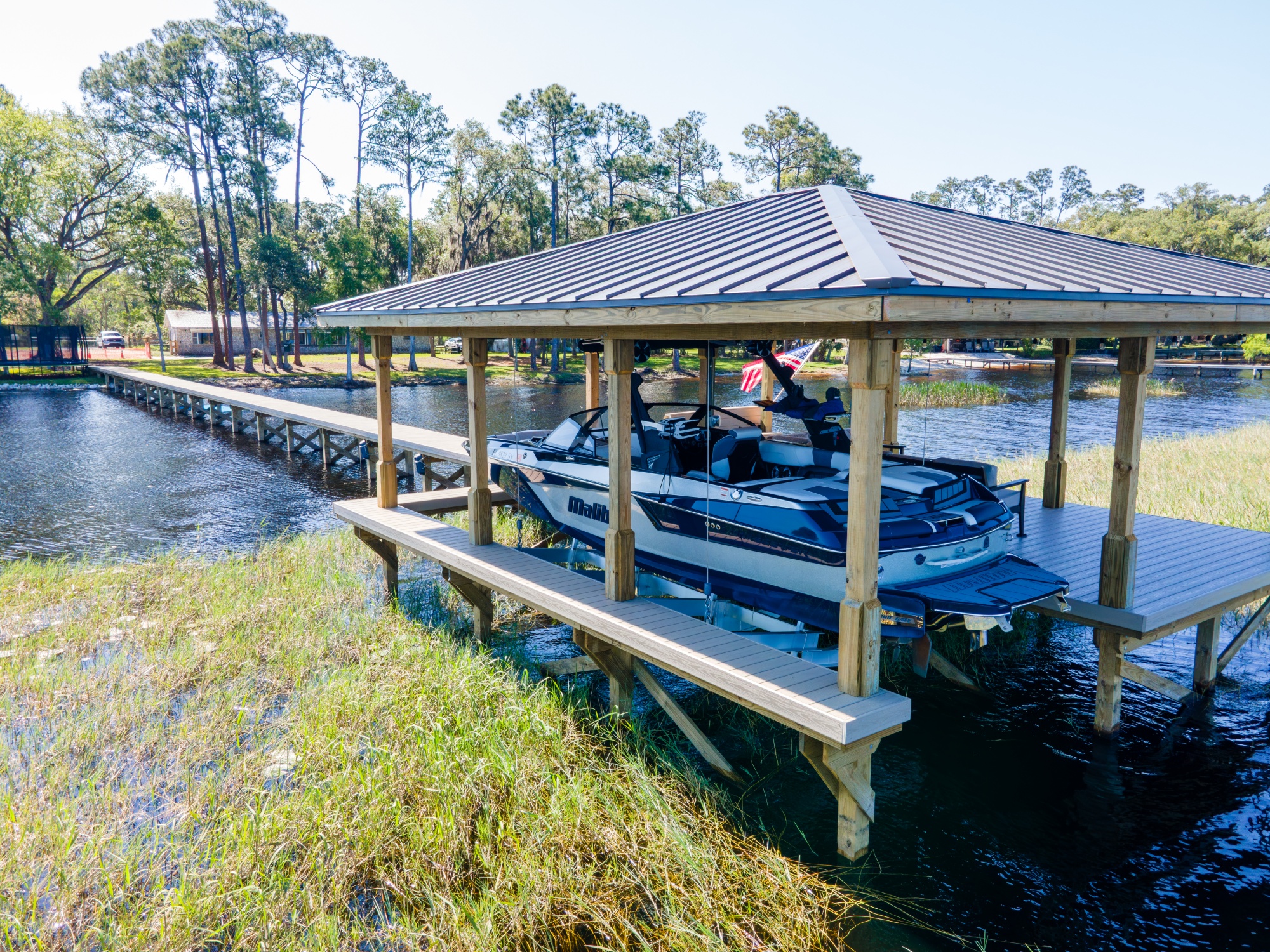
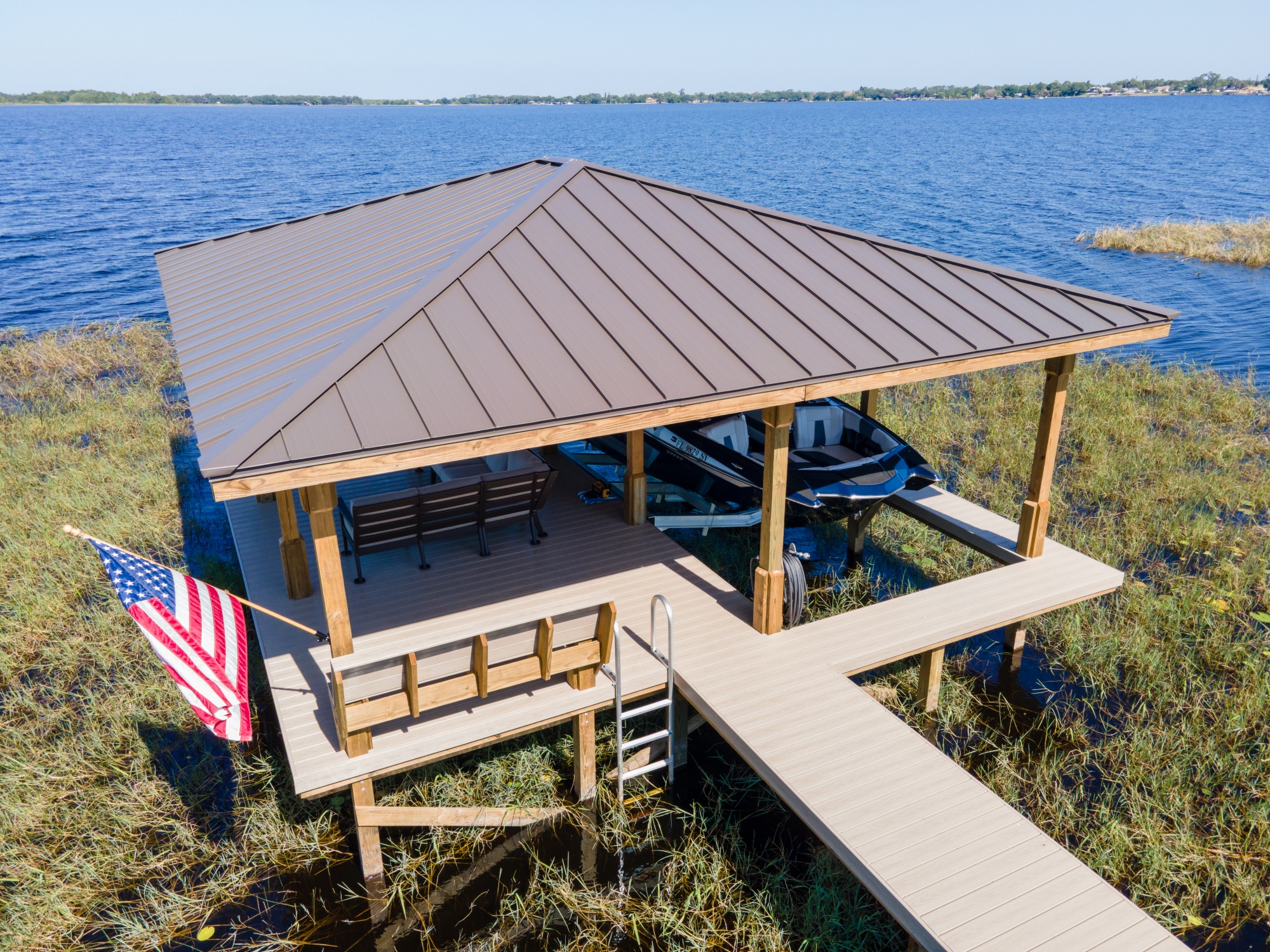
At Hansen Marine Construction, we build custom docks, boardwalks, seawalls, boat houses, and other waterfront improvements throughout Central Florida. For challenging waterfront properties, evaluating the site first allows the project to be planned around how the property actually works.
Frequently Asked Questions About Docks on Difficult Waterfront Lots
Can a dock be built on a steep waterfront property?
A steep lot doesn’t automatically rule out dock construction. The elevation change, shoreline, access, water conditions, and applicable requirements need to be evaluated before determining an appropriate design.
How do you access a dock when the house sits much higher than the water?
The appropriate solution depends on the property’s elevation and layout. The land-to-water transition should be considered as part of the overall waterfront design rather than after the dock has been planned.
Can a dock connect to a property with an existing seawall?
Potentially, but the seawall and surrounding shoreline conditions should be considered when developing the dock plan.
Is a boardwalk the same thing as a dock?
No. A dock is primarily intended to provide access to the water, while a boardwalk generally provides a defined pathway through or along a waterfront area. A property can potentially incorporate both.
What if construction equipment cannot easily reach my shoreline?
Limited access doesn’t necessarily make a project impossible. It does mean access and construction logistics should be evaluated early so the project can be planned accordingly.
Should I choose a dock design before having the property evaluated?
It’s useful to know what features you want, but the final design should account for actual site conditions. A custom marine construction plan can adapt those ideas to the property rather than forcing a generic dock design onto a challenging waterfront lot.