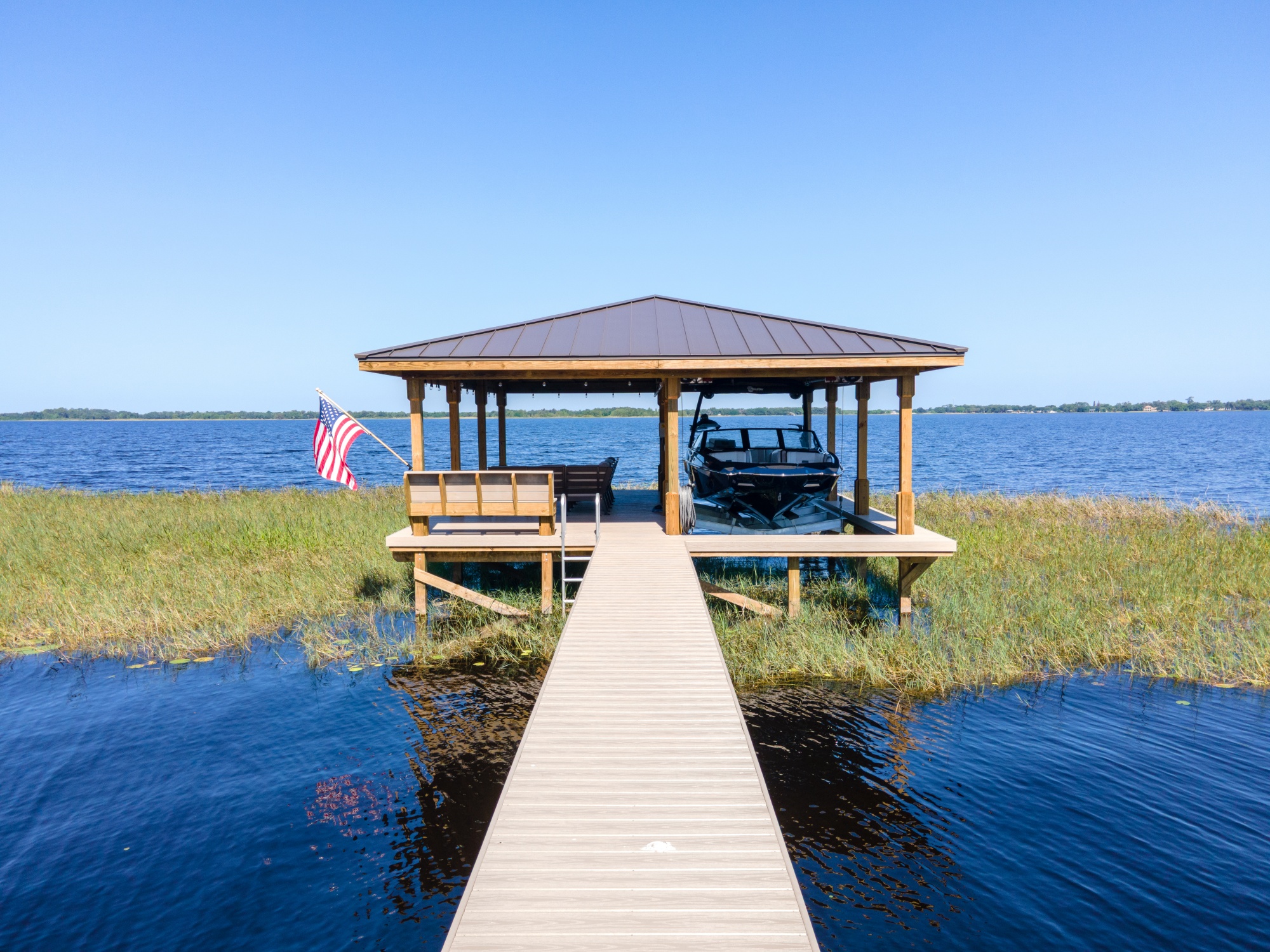
A dock can look perfectly positioned from shore and still be inconvenient for the boat it’s supposed to serve.
One of the most important factors in dock planning is what happens under the water. Water depth, the boat’s draft, changing water levels, and the approach to the dock can all influence whether a boat can comfortably reach and use the structure.
For waterfront property owners planning a custom dock, thinking about the boat early can prevent a frustrating situation where the finished dock looks great but doesn’t provide the access you expected.
What Is Boat Draft?
Boat draft is the approximate vertical distance between the waterline and the lowest part of the boat below the surface.
Different boats can require different amounts of water beneath them. Hull design, propulsion system, load, and other factors can influence how much clearance a particular boat needs.
This means two boats of similar overall length may not necessarily have identical water-depth requirements.
If you’re designing a dock around a particular boat, its actual specifications matter more than assumptions based on its appearance.
Water Depth at the Shore Isn’t the Whole Story 🌊
Waterfront owners sometimes measure the water immediately beside the shoreline and assume that tells them where the boat can go.
But depth can change as you move away from shore.
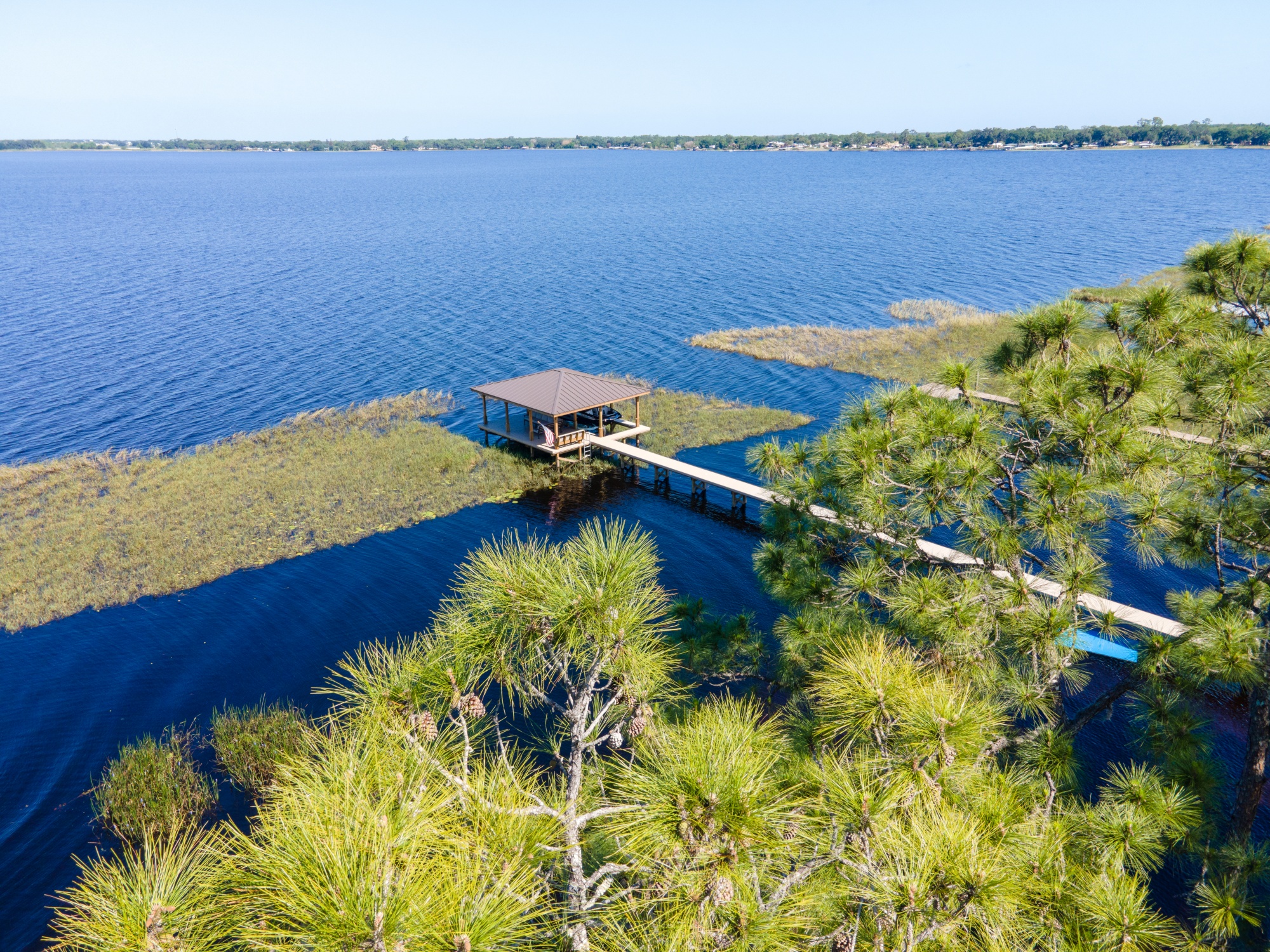
A waterfront may become gradually deeper, remain relatively shallow for some distance, or have an uneven bottom.
For dock planning, the important question isn’t simply:
“How deep is the water?”
It’s:
“How does the depth change along the route the boat will actually use?”
That difference can influence both dock placement and layout.
The Boat Needs an Approach, Not Just a Parking Spot
Having adequate depth immediately beside the dock isn’t very useful if the boat cannot comfortably reach that location.
The route toward and away from the dock matters too.
When planning boat access, consider:
- Where the boat approaches from
- Water depth along that path
- How much room is available to maneuver
- Where the boat will sit alongside the structure
- The position of a boat lift, if included
- Nearby waterfront structures
Thinking about movement rather than only the final docking position can produce a much more practical design.
Water Levels Can Change
The depth you observe on one particular day may not represent conditions throughout the year.
Water levels can fluctuate for a variety of reasons depending on the waterbody and surrounding conditions.
That matters because a location that provides comfortable clearance under one set of conditions may provide less clearance at another time.
Instead of designing around a single observation, site conditions should be considered carefully when determining where boat access makes sense.
Why Simply Building the Dock Farther Out Isn’t Always the Answer 📏
If deeper water is farther from shore, extending the dock may seem like the obvious solution.
Sometimes additional length may help, but dock dimensions and placement can be affected by property conditions and applicable requirements.
There may also be a point where extra length adds little practical benefit.
The objective should therefore be to determine what configuration provides useful water access for the property—not simply to build the longest possible dock.
Your Current Boat Isn’t the Only Boat Worth Considering
If you’re planning a new dock, think about whether your boating needs may change.
Ask yourself:
- Do I expect to keep this boat for many years?
- Am I considering a larger or different type of boat?
- Could I add a boat lift later?
- Will visitors bring boats to the property?
- Do I also use kayaks, paddleboards, or other watercraft?
You don’t need to design around every possible future scenario. But if you already expect a meaningful change, discussing it during dock planning may prevent unnecessary modifications later.
What If the Waterfront Is Naturally Shallow?
A shallow waterfront doesn’t automatically tell you what type of dock is possible.
The actual site needs to be evaluated.
Water depth, bottom conditions, shoreline configuration, intended use, permitting considerations, and the type of watercraft all influence what makes sense.
Avoid assuming that a design used by a neighbor will automatically work on your property. Even adjacent waterfront lots can have different conditions.
Boat Lifts Make Planning Even More Important 🏗️
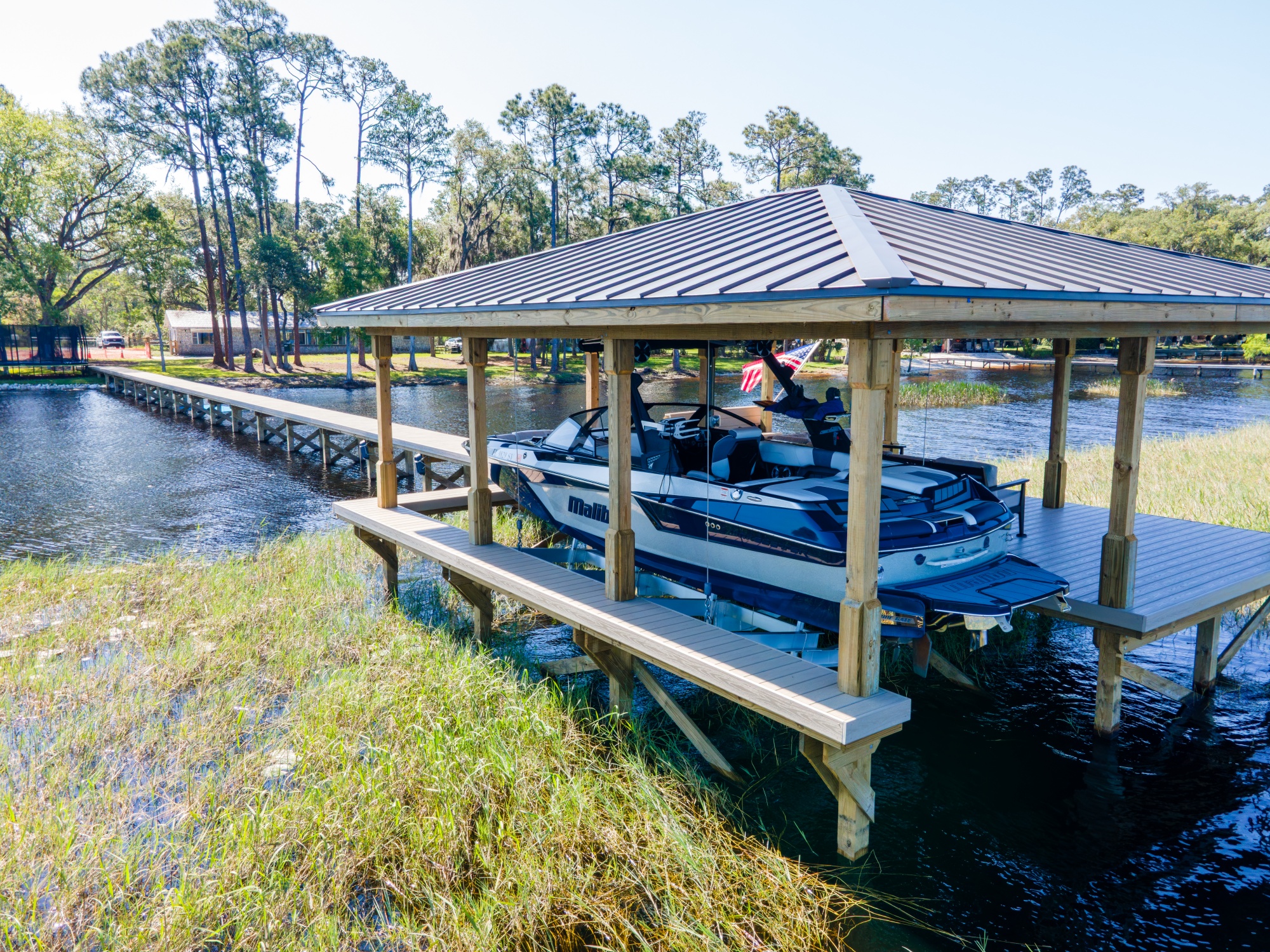
If a boat lift is part of the project, the dock, boat, lift, and water conditions should be considered together.
The design needs to account for how the boat approaches the lift and how the overall arrangement functions for everyday use.
Planning these elements together is generally more effective than designing the dock first and trying to fit boating equipment into the remaining space afterward.
Don’t Forget Passenger Access
Water depth determines whether the boat can reach the dock, but the experience doesn’t end there.
Think about how people will move between the boat and dock.
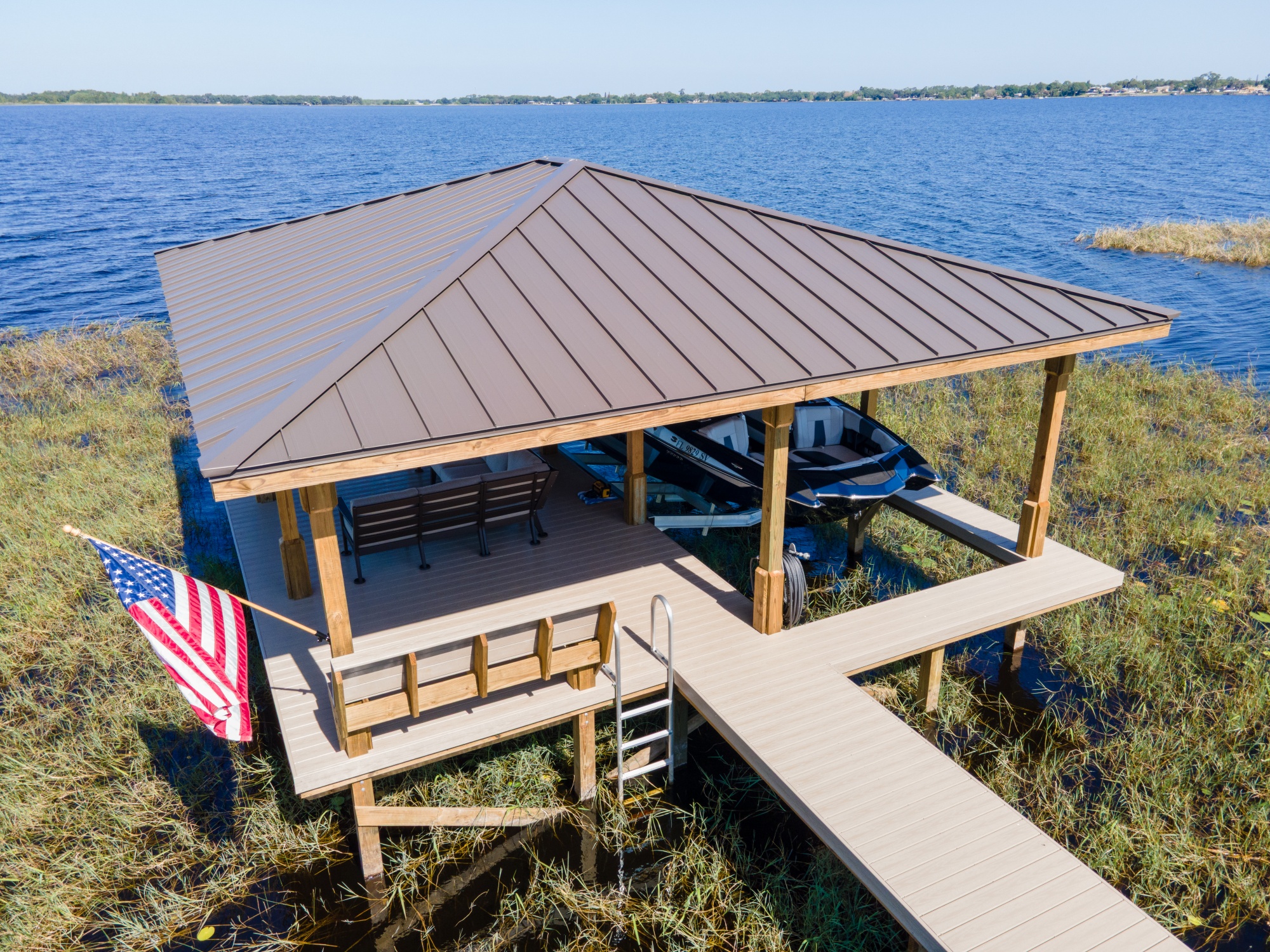
Consider where passengers will board, where boating equipment will be carried, and whether those activities interfere with fishing, swimming, seating, or the main walkway.
A functional custom dock connects water access with human access.
Both matter.
Design the Dock Around the Waterfront You Actually Have
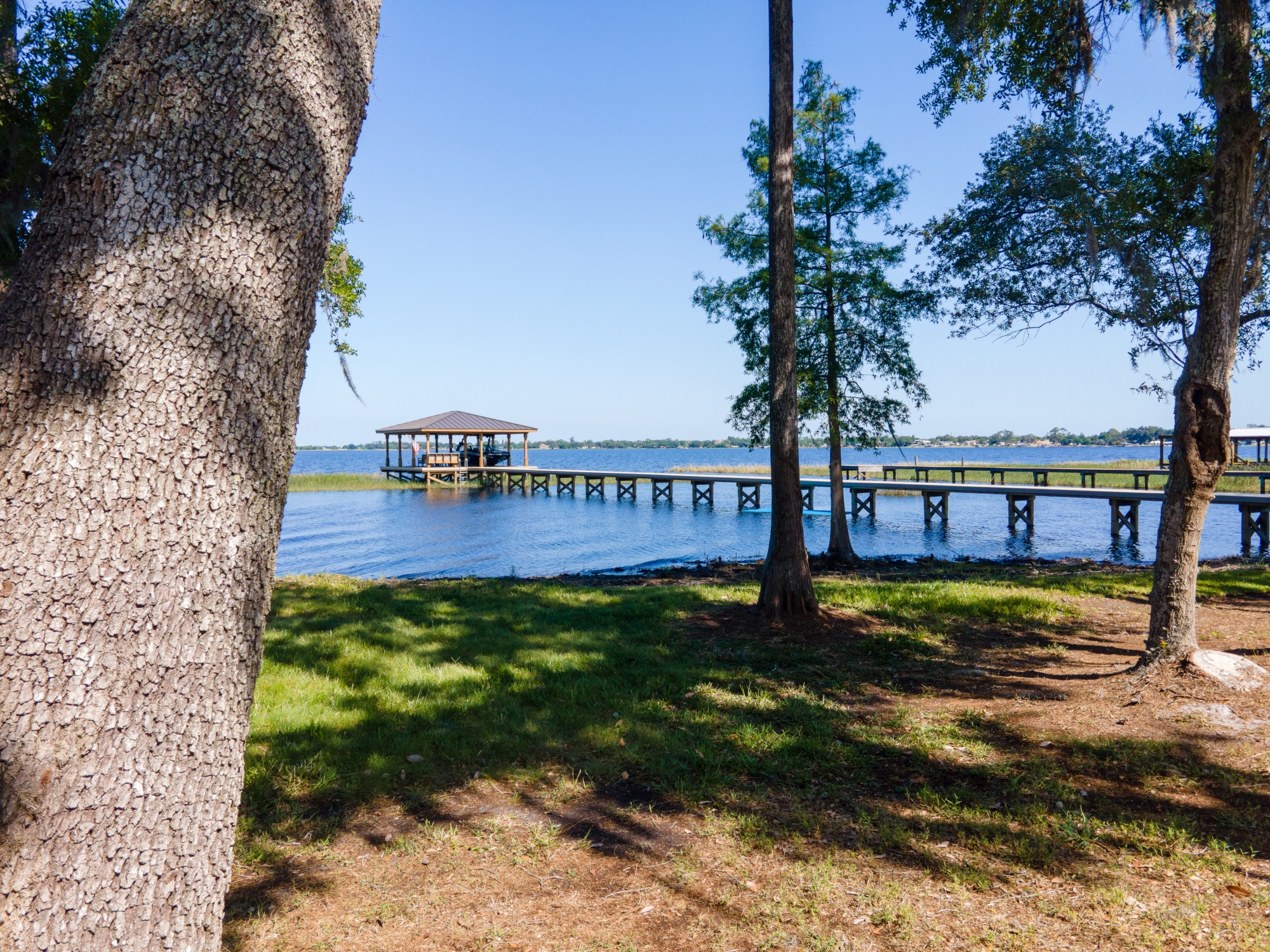
Choosing a dock layout from photographs can provide inspiration, but the final design should respond to the property itself.
At Hansen Marine Construction, we build custom docks and other waterfront improvements throughout Central Florida. Considering the boat, water depth, shoreline, access, and intended use together helps create a dock that isn’t simply attractive—it works for the way the waterfront will actually be used.
Frequently Asked Questions About Boat Draft and Dock Water Depth
How much water depth does my boat need?
It depends on the specific boat, including its draft and propulsion configuration. Check the manufacturer’s specifications for the boat and consider appropriate clearance rather than assuming all boats of similar size require the same depth.
What does boat draft mean?
Draft generally refers to the vertical distance from the waterline to the lowest part of the boat below the water.
Should water depth be checked before designing a dock?
Yes. Understanding water conditions can help determine how the proposed dock will function for the boats and activities planned for the property.
Can I just make my dock longer to reach deeper water?
Not necessarily. Additional length may help in some situations, but site conditions, intended use, and applicable requirements also influence what can and should be built.
What happens if water levels drop after my dock is built?
Lower water levels can reduce the clearance available beneath a boat. This is one reason changing water conditions should be considered during planning rather than relying only on depth observed on a single day.
Should I design my dock around the boat I own now?
Your current boat is an important starting point. If you already expect to purchase a substantially different boat or add a boat lift, those future plans are worth discussing before the dock layout is finalized.