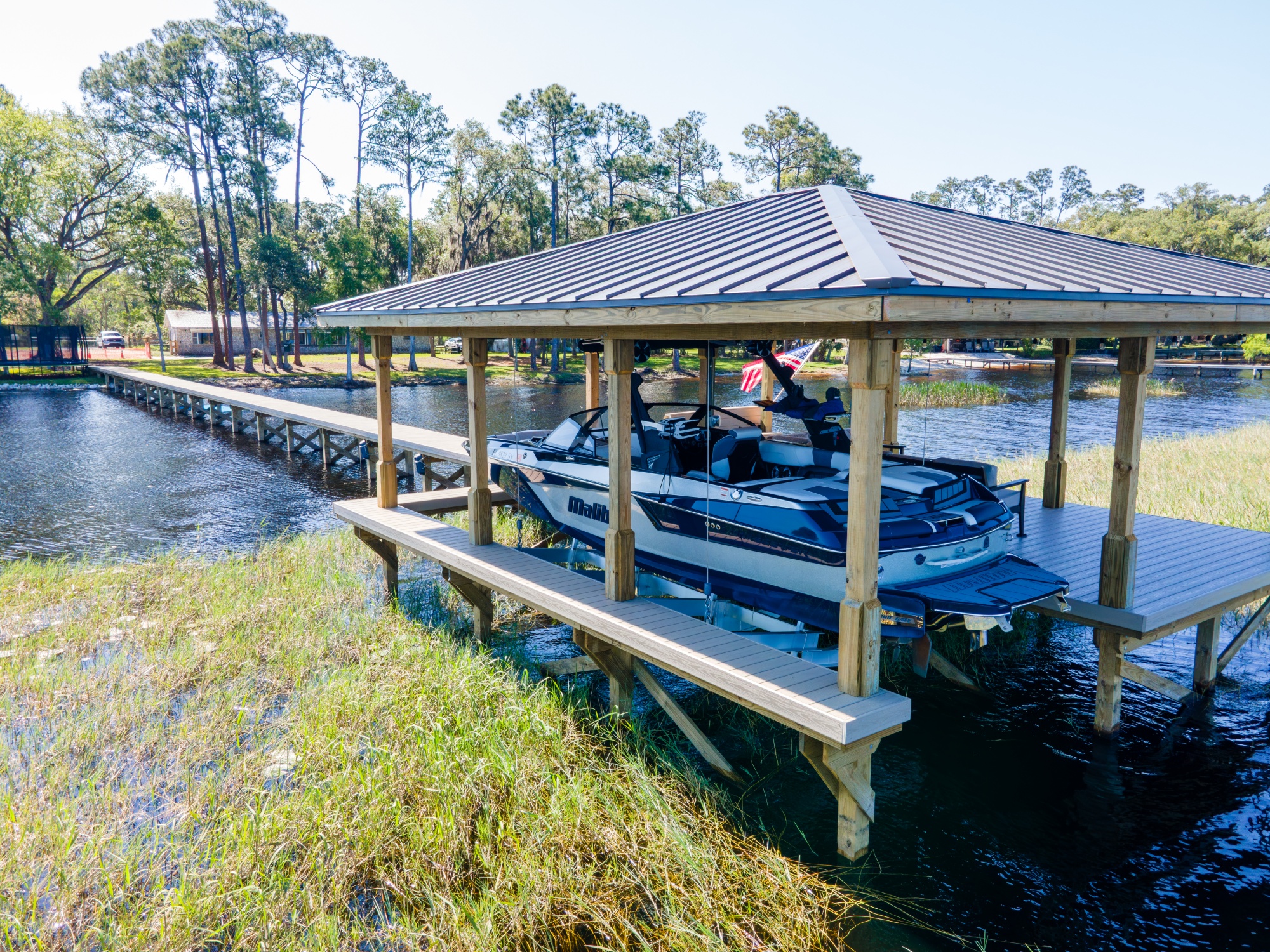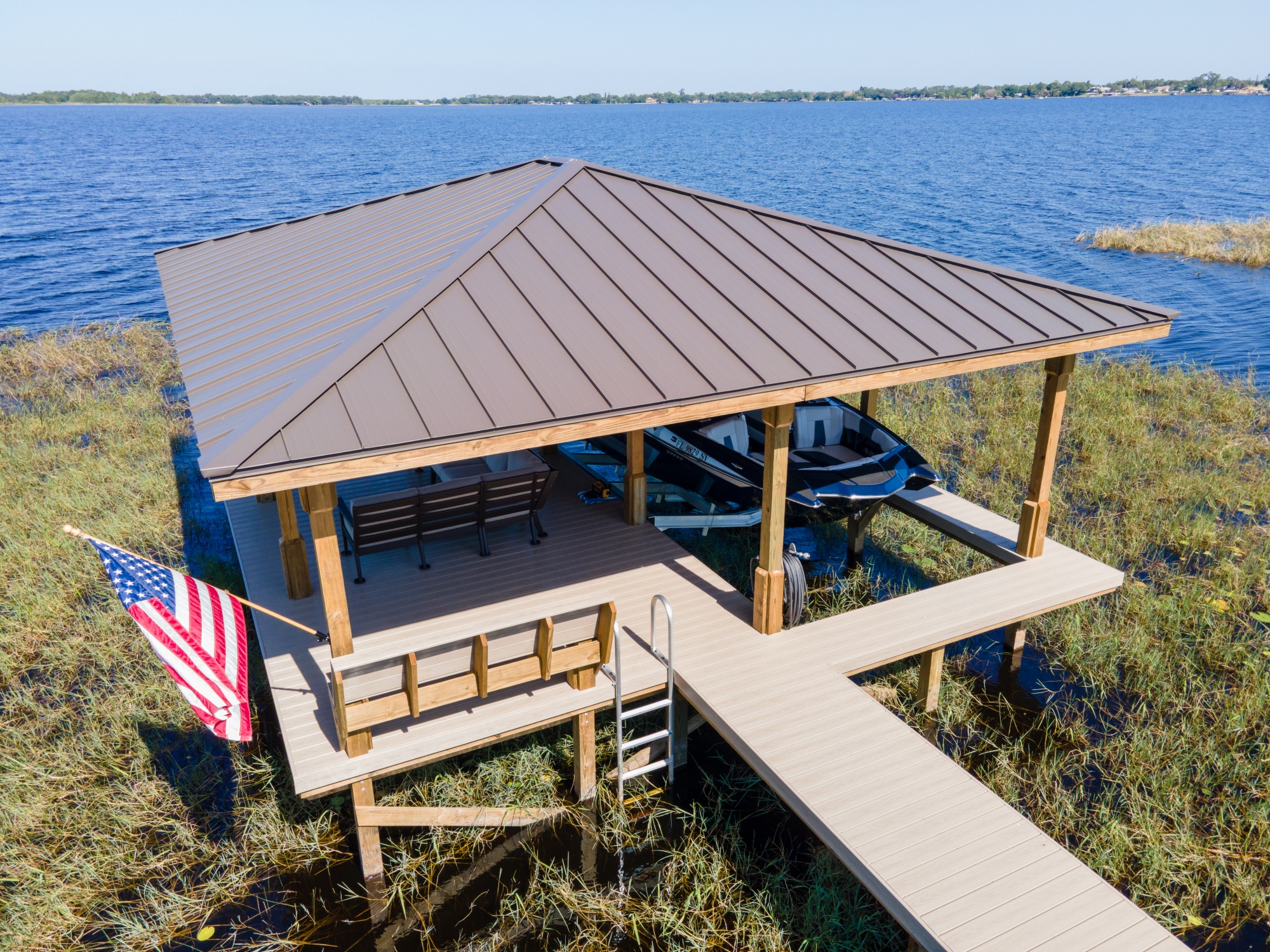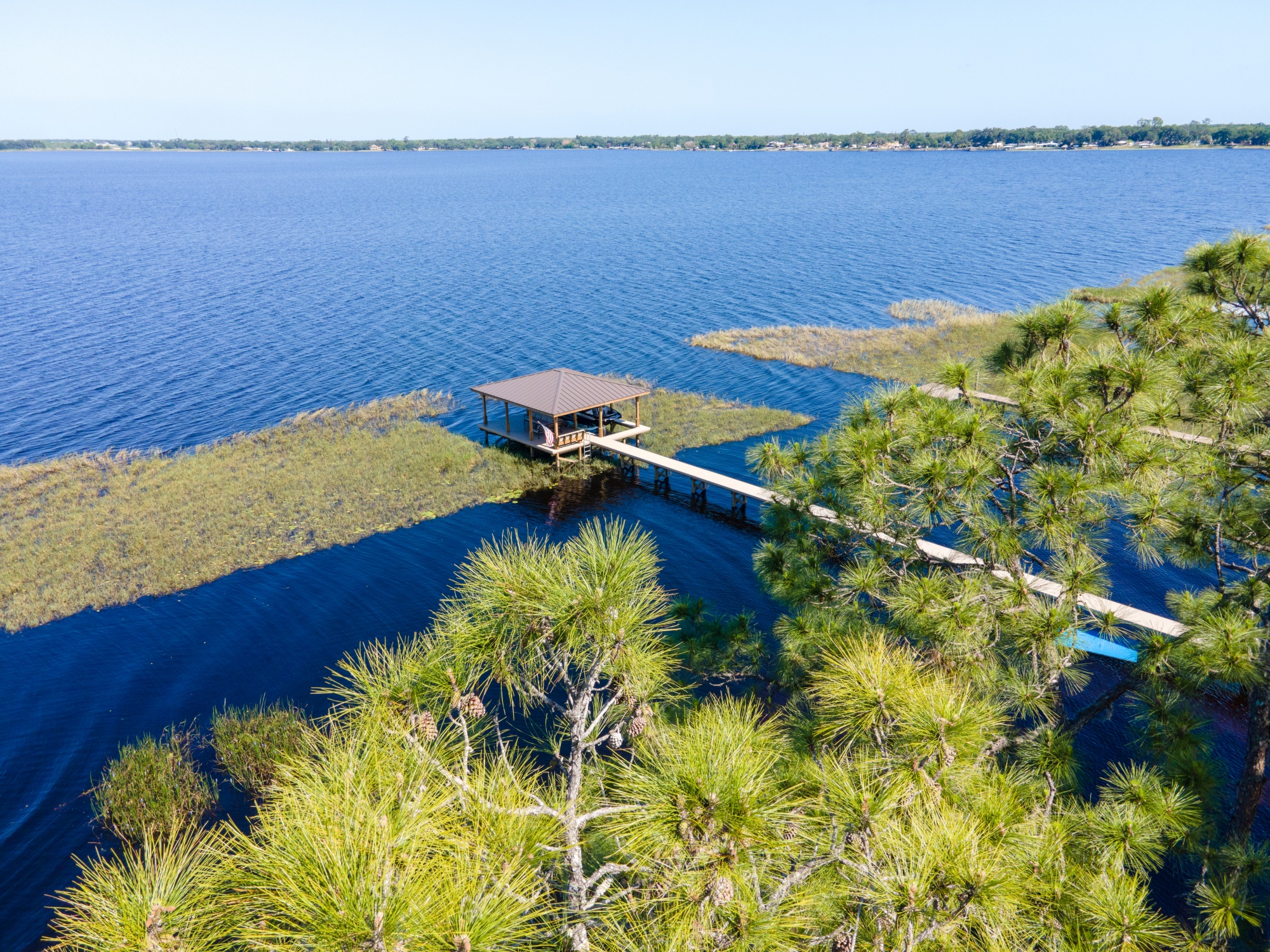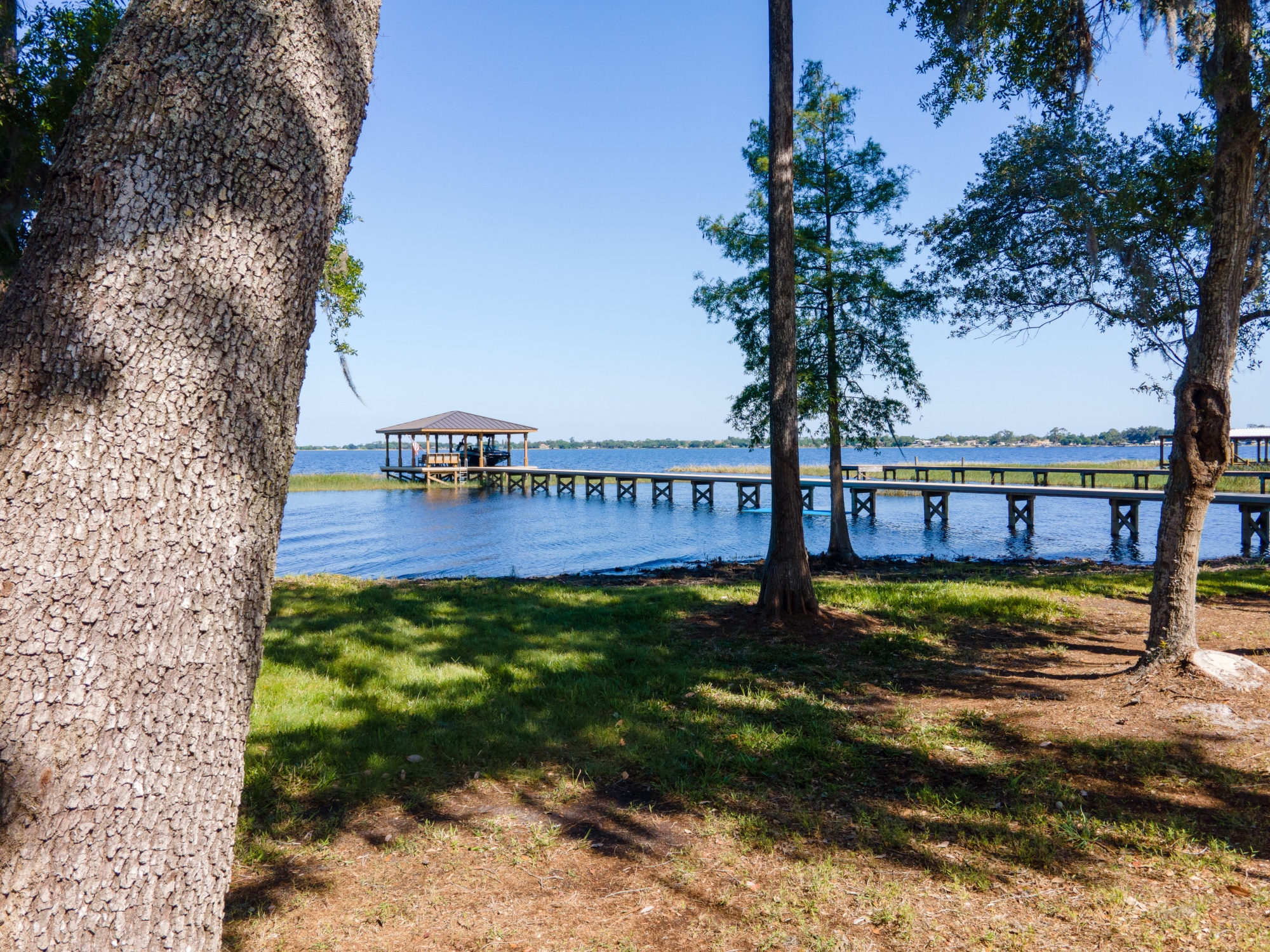
A seawall can look solid from the water while a serious problem develops behind it. Soil loss, sometimes called washout, occurs when water carries soil through openings in or around the seawall system. Over time, this can create voids, depressions, and unstable ground near the shoreline. Recognizing the warning signs early gives waterfront property owners more options for addressing the problem before additional damage occurs.
At Hansen Marine Construction, we provide seawall construction and waterfront solutions throughout Central Florida, including Clermont, Minneola, Groveland, Winter Garden, Tavares, Mount Dora, Eustis, The Villages, Orlando, Windermere, Winter Park, Dr. Phillips, and surrounding communities.
What Does Soil Loss Behind a Seawall Mean?
A seawall separates retained soil from the water, but the system also needs to manage water moving through the surrounding ground.
If soil begins escaping through cracks, joints, gaps, or compromised areas, empty spaces can gradually form behind the wall. The surface above those voids may eventually settle or collapse.
The important point is that the first obvious symptom may appear on the land side of the seawall rather than on the wall itself.
Warning Signs to Watch For 🔍
Regularly walk the area immediately behind your seawall and look for changes.
Potential warning signs include:
- Small depressions or low spots developing in the yard
- Soil pulling away from the seawall cap
- New holes near the edge of the property
- Pavers or concrete beginning to settle
- Cracks developing in areas adjacent to the wall
- Soil or sediment appearing where it previously wasn’t present
One symptom alone doesn’t necessarily tell you the cause. However, noticeable or continuing changes deserve closer evaluation.
Why Does Soil Wash Out Behind a Seawall?
There isn’t one universal cause.
Possible contributors include deterioration of the wall, openings at joints, drainage problems, changing water conditions, or movement within the surrounding soil.
Water also needs a controlled way to drain. If drainage behind a seawall isn’t functioning properly, pressure can build within saturated soil. The wall, drainage system, backfill, and surrounding shoreline therefore need to be considered together rather than treating a visible hole as an isolated problem.
Why Filling the Hole May Not Solve the Problem ⚠️
A common reaction is simply to add more dirt to a depression.
That may restore the surface temporarily, but it doesn’t necessarily address why the original soil disappeared.
If an opening or drainage problem remains, replacement soil may eventually follow the same path. Before repeatedly filling a developing void, the underlying seawall and surrounding area should be evaluated.
This distinction can save property owners from treating the symptom while the actual problem continues below ground.
Could Soil Loss Affect a Nearby Dock?
Potentially.
A dock generally relies on its own structural support system, but erosion around the shoreline can affect access points and surrounding land. Continued soil movement near a seawall may also create uneven surfaces around the connection between the property and waterfront structures.
That’s another reason shoreline changes shouldn’t be evaluated only by looking at the seawall face.
What Should You Do If You Notice a Sinkhole or Depression?
First, avoid placing heavy loads over an area that appears hollow, unstable, or actively settling.
Then document what you’re seeing. Photos taken periodically can help determine whether the affected area is changing.
A professional evaluation can then look beyond the surface and consider:
- Seawall condition
- Location of visible openings
- Drainage
- Soil movement
- Condition of the seawall cap
- Nearby waterfront structures
The appropriate repair depends on what is actually causing the soil loss.
Don’t Wait for a Small Void to Become a Larger Problem
Changes behind a seawall can provide an early warning that something within the shoreline system needs attention. Catching those changes early may allow the underlying problem to be addressed before additional soil is lost or nearby areas become unstable.
Hansen Marine Construction can evaluate seawalls and waterfront conditions and help determine an appropriate solution for your property.
Frequently Asked Questions About Soil Loss Behind Seawalls
Why is the ground sinking behind my seawall?
Sinking can occur when soil beneath the surface has moved or washed away, leaving a void that allows the ground above it to settle. The specific cause requires evaluation.
Should there be a gap between my seawall and the soil?
A newly developing or expanding gap deserves attention because it can indicate movement or loss of material behind the wall.
Can I just fill a hole behind my seawall with dirt?
Adding soil may fill the visible depression, but it won’t correct an underlying opening, drainage issue, or other cause of continued soil loss.
What are the early signs of seawall washout?
Depressions, gaps near the wall, settling pavers, small holes, and recurring loss of soil are useful warning signs to watch for.
Does soil loss mean my entire seawall needs replacement?
Not necessarily. The appropriate solution depends on the condition of the wall and the cause and extent of the problem. An evaluation is needed before deciding between localized repair and more extensive work.
Who should inspect soil loss around a waterfront property?
A marine construction professional can evaluate the seawall, drainage, shoreline, and nearby structures together rather than looking only at the visible surface damage.